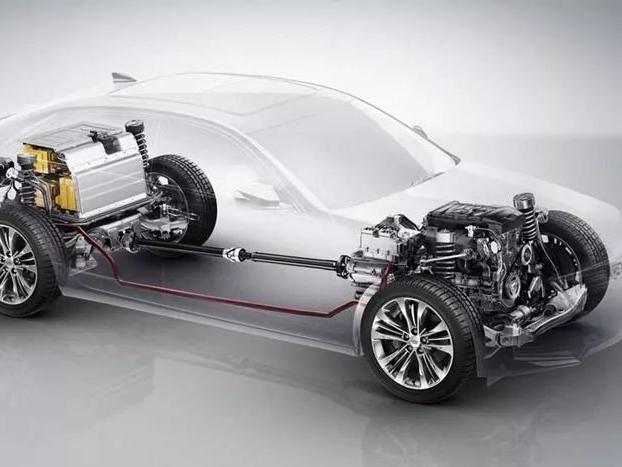
A car owner with three years of experience driving a plug-in hybrid recently shared a lesson he learned: while using a plug-in hybrid as if it were a pure electric vehicle may seem like a cost-effective and hassle-free solution, it actually harbors hidden risks. The owner recalled that when he first bought the car, like most people, he believed that “use electricity when available, and use gasoline when it runs out” was the best approach. Since his daily commute consisted mainly of short trips, he almost never started the engine voluntarily. For three years, he drove solely on battery power, leaving the gasoline in the tank untouched for long periods and keeping the engine in a near-dormant state.
However, this driving habit soon led to problems. The vehicle began experiencing issues such as clogged fuel lines, engine carbon buildup, and aging rubber hoses. After multiple visits to the dealership for repairs, the owner finally learned the truth from the mechanics: the core of a plug-in hybrid lies in the “hybrid” system, not a simple combination of “electric + gasoline.” Components like the engine and transmission require regular operation to maintain their functionality; prolonged inactivity can cause gasoline to degrade, lead to insufficient lubrication of parts, and even affect the battery management system. The mechanic emphasized that the manufacturer’s designed hybrid mode is the optimal solution; pure electric mode is only suitable for short-distance travel, and prolonged exclusive use of it disrupts the vehicle’s balance.

The owner further learned that battery life is closely tied to the condition of the engine. Prolonged driving in pure electric mode prevents the energy management system from calibrating properly, leading to deviations in charging and discharging logic, which actually reduces the stability of the battery’s range. This discovery completely overturned his initial understanding. Now, he has adjusted his driving habits: he actively switches to hybrid mode once a week to let the engine run for about 20 minutes; he regularly replaces the gasoline in the tank; and for long-distance trips, he prioritizes using gasoline, switching to electric mode only for short commutes. After making these adjustments, all minor issues with the vehicle disappeared, the driving experience became smoother, and maintenance costs were significantly reduced.
This owner’s experience is not an isolated case. Many plug-in hybrid owners fall into the trap of pursuing “cost savings through electric driving,” overlooking the fundamental logic of the vehicle’s design. The advantage of plug-in hybrids lies in the complementary use of electricity and gasoline—enjoying the low cost of pure electric driving while retaining the range anxiety-free capabilities of a gasoline vehicle. If one relies solely on pure electric mode for an extended period, it may actually accelerate wear and tear on core components, resulting in more harm than good. The owner urges other PHEV users: “Treat both systems of your vehicle with care and switch between driving modes appropriately to ensure your car lasts longer and gives you greater peace of mind.”