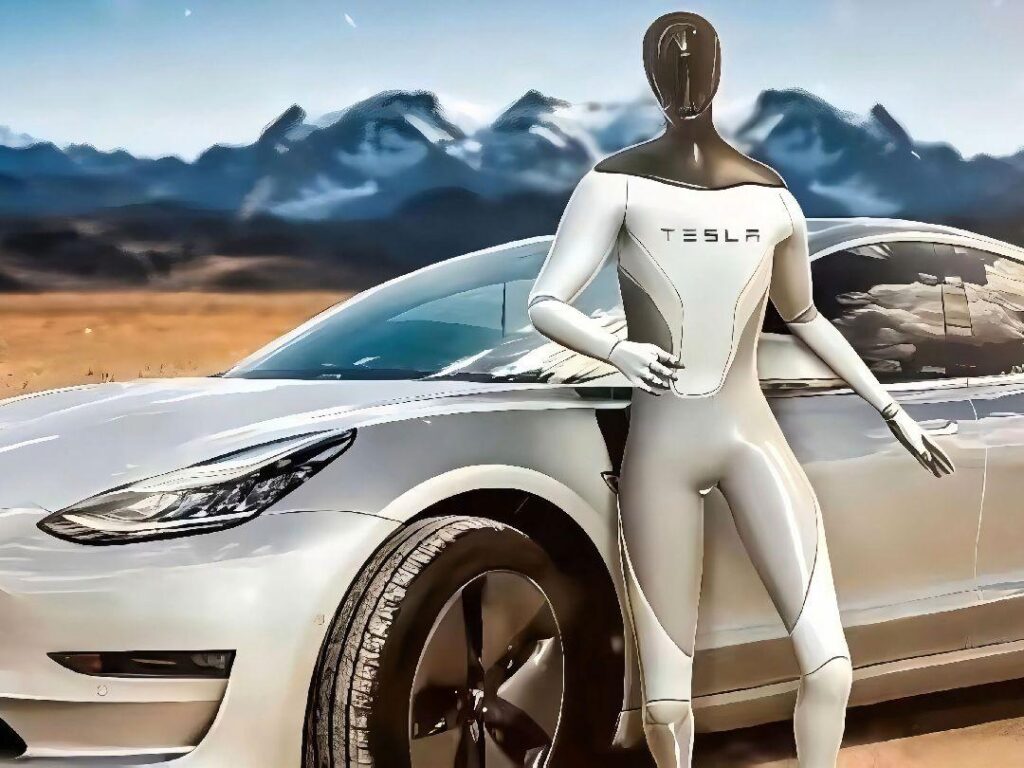
May 21, 2026 marks a historic milestone for the global automotive industry, as the last batch of Tesla Model S and Model X vehicles rolled off the production line at the company’s Fremont Factory in California. These two iconic models, which underpinned Tesla’s rise and set the global benchmark for premium all-electric vehicles, have officially ceased production. In a transformative strategic move, the original production lines will be fully dismantled and reconstructed within four months to exclusively manufacture Tesla’s Optimus humanoid robots, with a planned annual production capacity of one million units. This pivotal shift heralds Tesla’s evolution from an automaker to a physical-world AI company, bringing Elon Musk’s trillion-dollar humanoid robot empire vision to fruition.
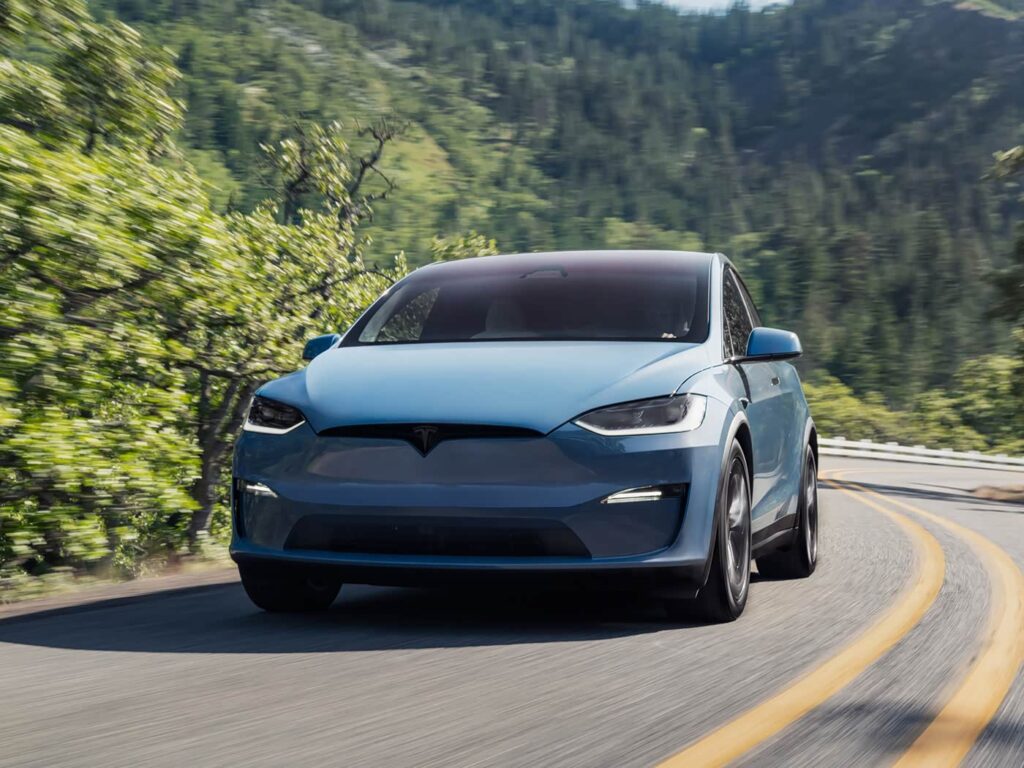
The Model S and Model X stand as pioneering legends in the history of electric mobility. Launched in 2012, the Model S revolutionized the automotive landscape with a 426-kilometer maximum range and exceptional acceleration performance, dismantling the long-standing stereotype that electric vehicles were merely slow, commuter-only machines. It first proved that electric cars could match and even outperform luxury gasoline-powered vehicles in every key dimension. The Model X followed in 2015, redefining the standards of premium electric SUVs with its signature falcon-wing doors, versatile seven-seat layout, and industry-leading safety features.
Boasting a 14-year production run for the Model S and an 11-year tenure for the Model X, the two vehicles have not only served as the cornerstone of Tesla’s business growth but also propelled electric mobility from a niche luxury novelty to a mainstream daily necessity. With cumulative global sales exceeding 3 million units, they have spearheaded the worldwide wave of automotive electrification.
The discontinuation of the Model S and Model X stems from Tesla’s proactive strategic adjustment, rather than sluggish market performance. Industry data shows that Tesla delivered 1.6 million Model 3 and Model Y units globally in 2025, while sales of its high-end Model S and Model X amounted to merely 50,000 units, reflecting the brand’s long-term market focus on the mass consumer segment. As Elon Musk stated, “The Model S and X are labor-of-love creations, but the future belongs to robotics and AI.” Phasing out these two flagship models allows Tesla to concentrate resources on high-potential tracks, including humanoid robotics, autonomous driving, and self-developed AI chips.
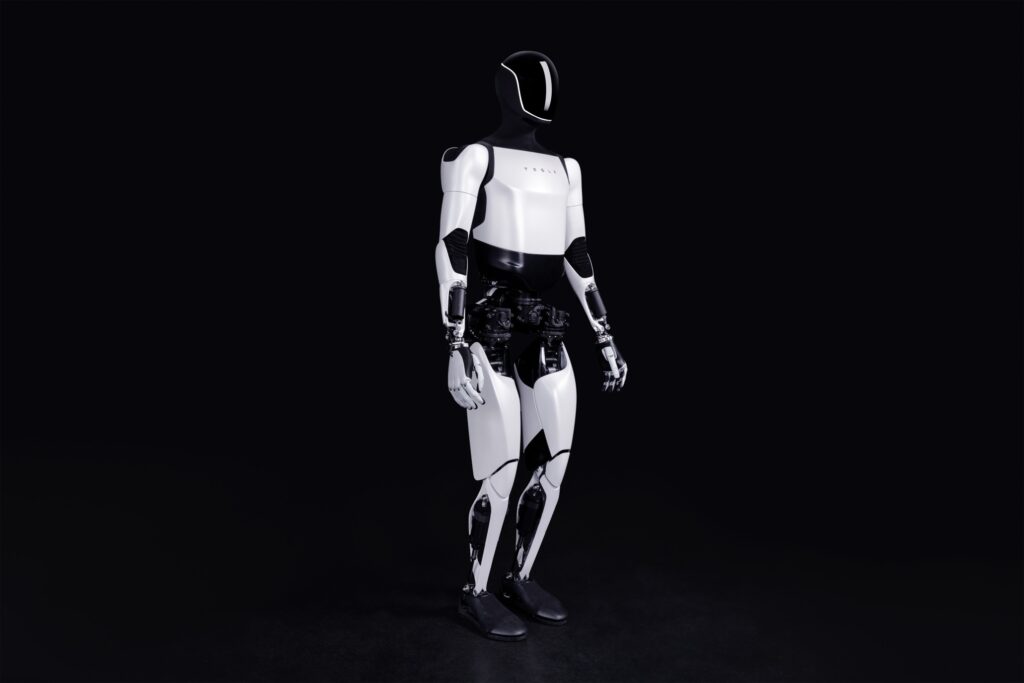
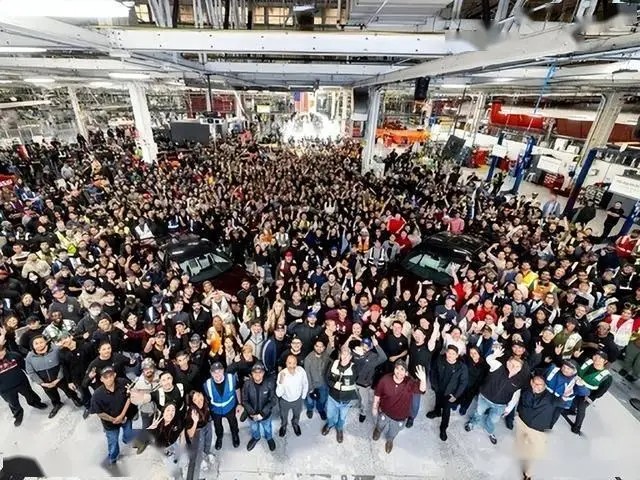
As the cradle of Tesla’s automotive manufacturing, the transformation of the Fremont Factory carries far-reaching significance. Its original Model S/X production lines will be completely renovated within four months to build dedicated production systems for Optimus humanoid robots, with a phase-one annual capacity of one million units. Meanwhile, Tesla’s Texas factory is preparing for the construction of second-generation production lines, targeting an annual output capacity of up to 10 million units.
Built on Tesla’s mature battery, motor, and AI technologies inherited from its electric vehicles, the Optimus humanoid robot is essentially an intelligent mobile agent with limbs. It is designed to replace humans in repetitive factory operations, household service tasks, and high-risk work scenarios. Musk predicts that the humanoid robot market will eventually surpass the scale of the global automotive industry, with the sector’s total valuation reaching $25 trillion by 2050.
Tesla’s strategic transformation represents a fundamental leap from “building wheels” to “creating intelligent agents”. Going forward, the company’s automotive business will focus on consolidating its mass-market presence with the Model 3 and Model Y, while expanding segmented tracks: the Cybertruck will serve as an autonomous driving freight platform, and the Cybercab will anchor unmanned travel services. Humanoid robots will become Tesla’s new core growth engine, leveraging its industry-leading AI algorithms, self-developed chips, and mature large-scale manufacturing capabilities to seize the blue-ocean global humanoid robot market.
Industry analysts regard Tesla’s discontinuation of the Model S/X and shift to robot production as a classic case of technological dimensionality reduction. While traditional automakers remain trapped in fierce internal competition over fuel vehicles and ordinary electric cars, Tesla has broken free from the confines of the automotive industry to lay out the next generation of intelligent end devices—humanoid robots. This forward-looking strategic vision constitutes Tesla’s core competitive edge and keeps it at the forefront of global technological innovation.
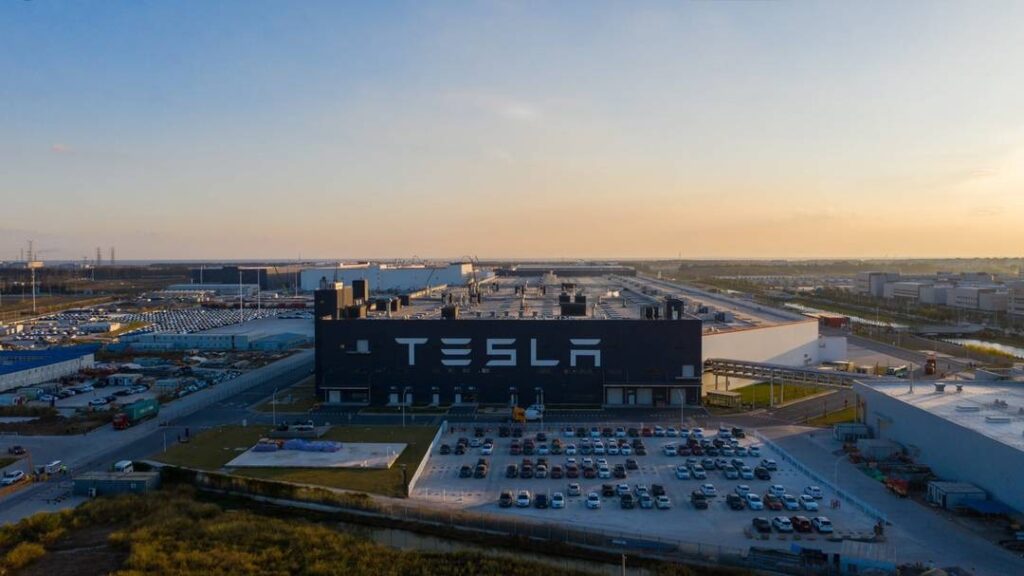
The sweeping transformation has sparked heated discussions across online platforms, with netizens remarking that a new era is dawning for Tesla.
“The Model S and X hold nostalgic value for a generation. It’s a pity to see them discontinued, but Tesla’s pivot to robotics is absolutely groundbreaking.”
“Elon Musk never plays by the rules. Shifting focus from car manufacturing to robotics shows unparalleled strategic vision.”
“An annual capacity of one million units means Tesla is poised to dominate the humanoid robot market.”
“Cars are just a transitional product. AI-powered humanoid robots represent the true future, and Tesla sees the bigger picture.”
For consumers, the retirement of the Model S and X marks the end of a glorious automotive era. Yet Tesla’s bold transformation is set to deliver more disruptive technological products. In the future, as Optimus robots penetrate factories and households, reshaping human production and lifestyles, the world will come to recognize that Tesla has never been a mere automaker, but a relentless tech giant dedicated to subverting industries and empowering innovation.