The compact-to-midsize electric sedan segment has long been ruled by one undisputed king: the Tesla Model 3. For years, it has set the benchmark for EV efficiency, smart driving technology, and global mass-market appeal. However, a new powerhouse has arrived to challenge Tesla’s throne. The Xiaomi SU7, the debut electric vehicle from tech giant Xiaomi, has exploded onto the scene with eye-catching specs, premium build quality, and a tech-integrated experience that directly targets Tesla’s core audience.
If you’re shopping for a stylish, practical, and high-performance electric sedan in the $30,000–$40,000 price range, these two models are undoubtedly your top contenders. Today, we’re breaking down every key dimension — performance, range, charging speed, intelligence, interior experience, and value — to help you decide: Is the new Xiaomi SU7 a better pick than the timeless Tesla Model 3 in 2026?
Positioning & Exterior Design: Minimalism vs. Sporty Sophistication
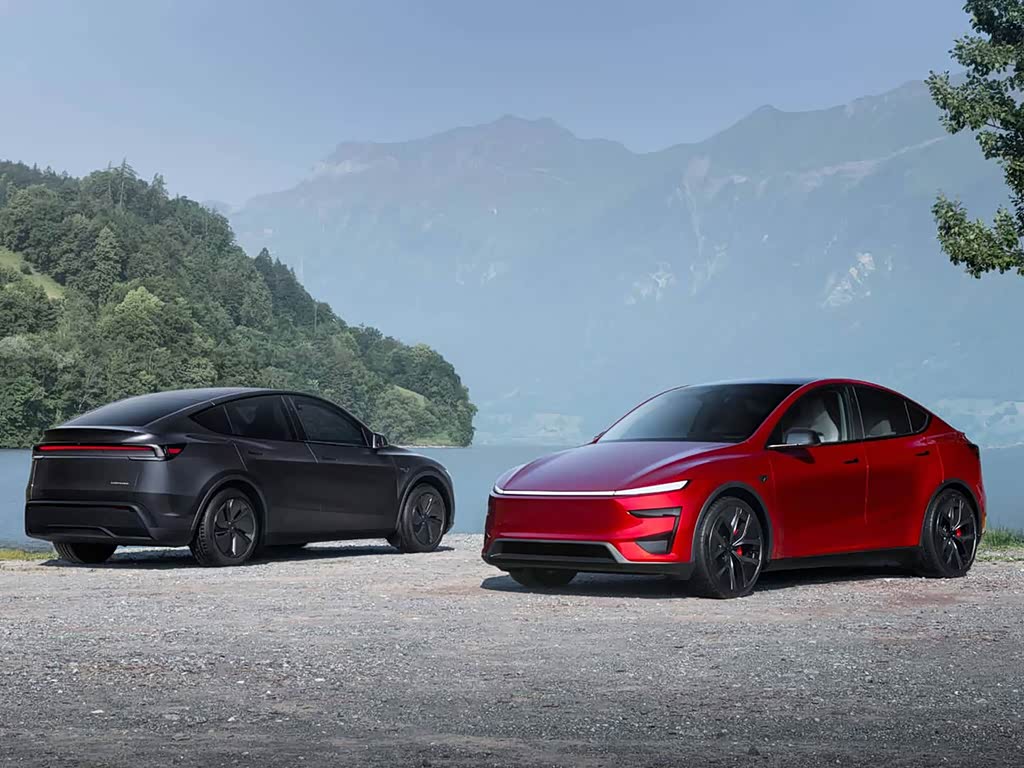
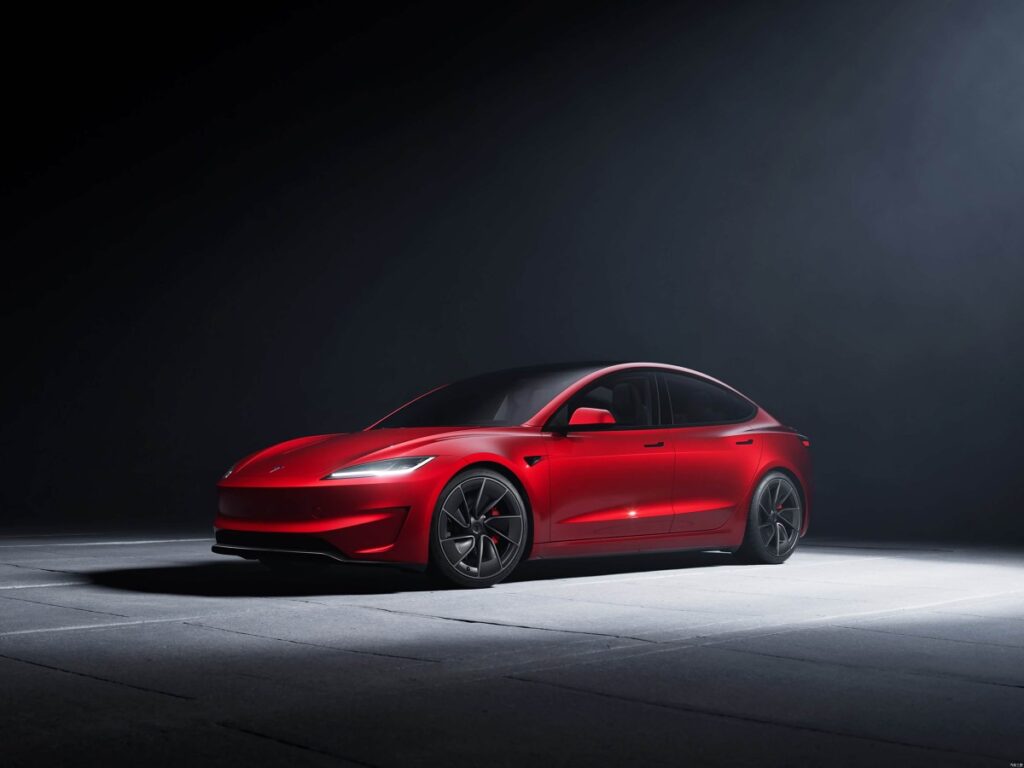
The design philosophies of the Model 3 and SU7 reflect their brand DNA perfectly. The Tesla Model 3 sticks firmly to Tesla’s iconicultra-minimalist electric design. With no redundant body lines, a closed-off front grille, sleek LED headlights, and a smooth fastback silhouette, its look is timeless, aerodynamically optimized, and instantly recognizable worldwide. It’s a design that prioritizes function over flair, catering to users who prefer low-key, durable aesthetics.
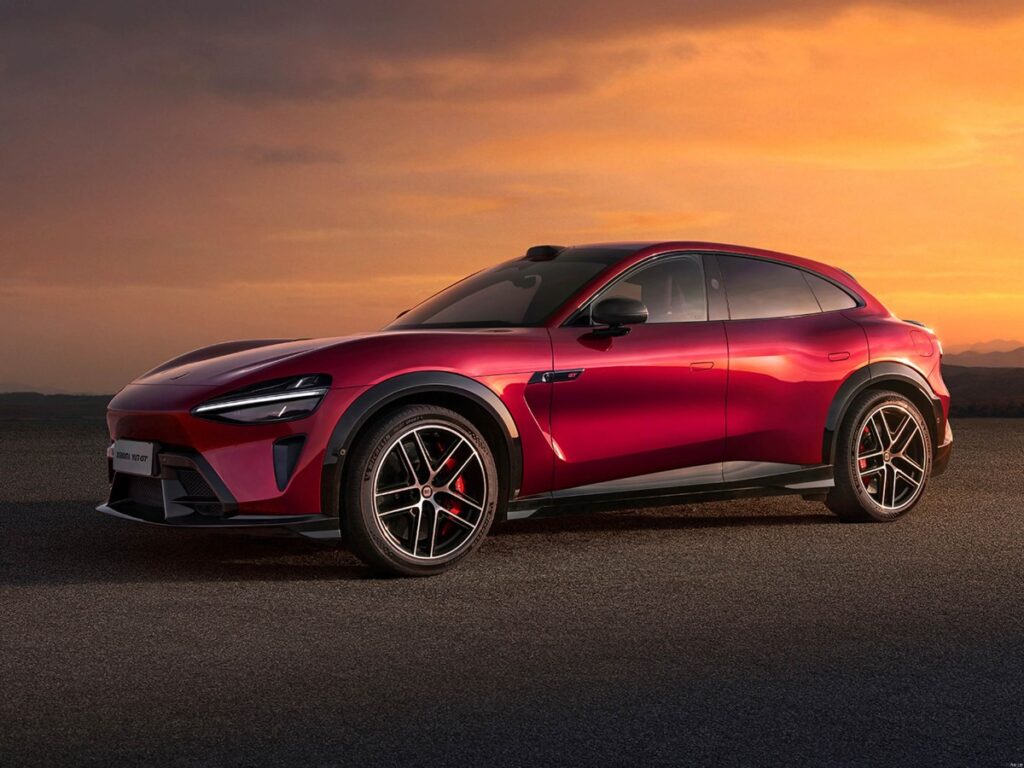
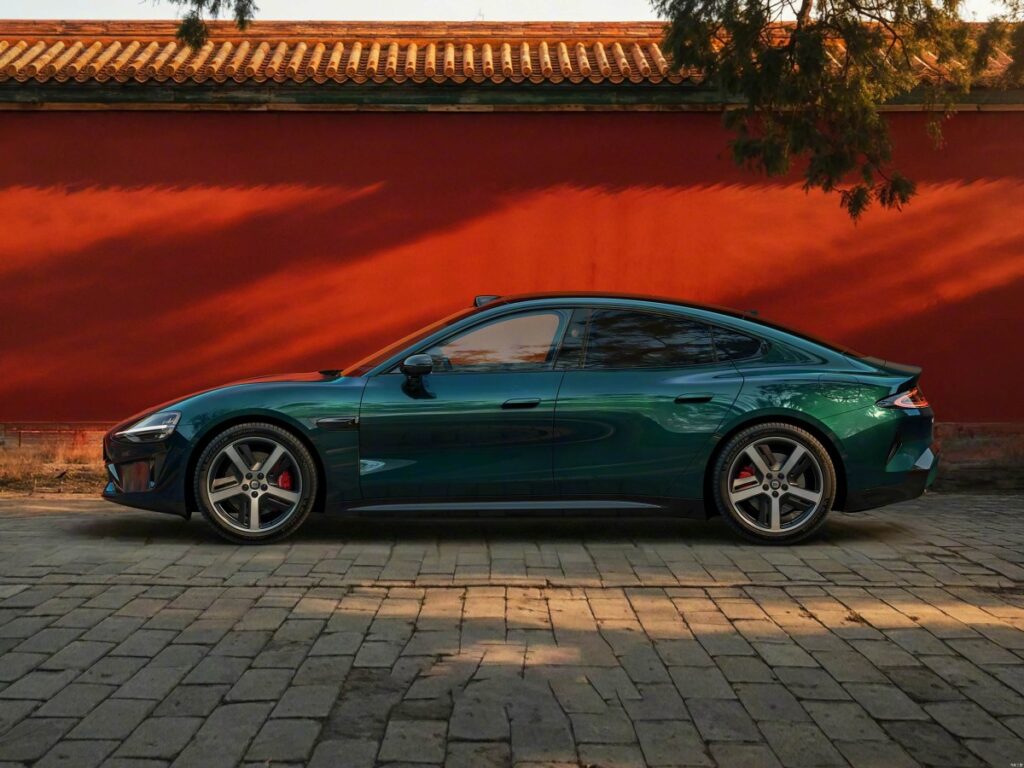
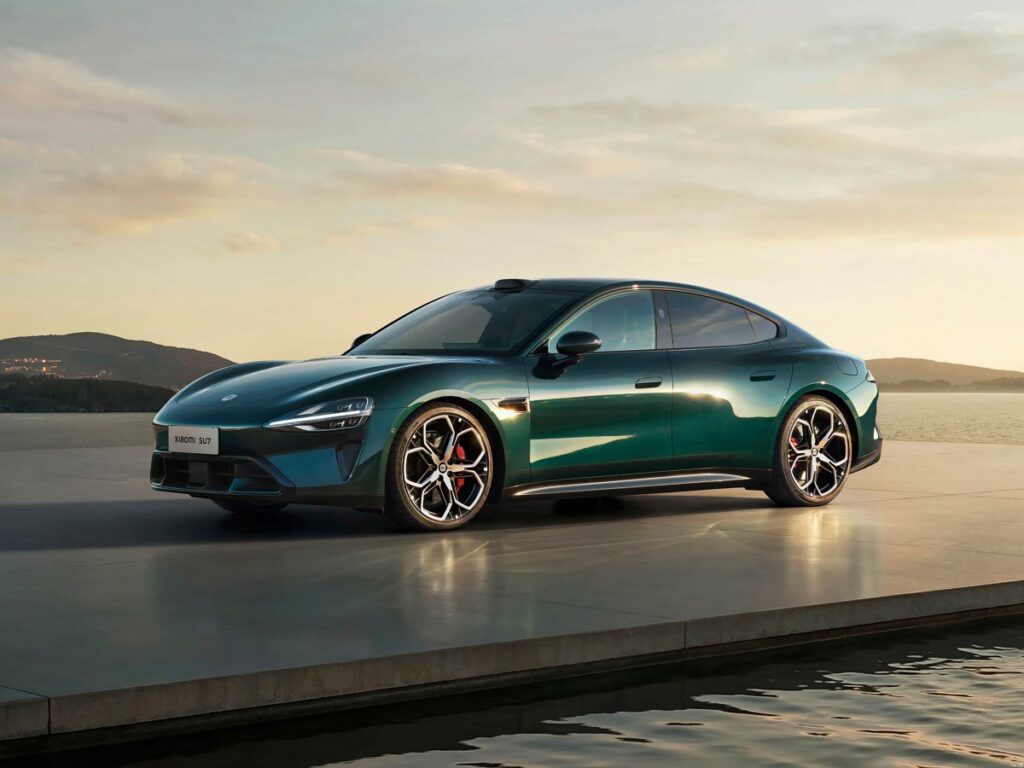
In contrast, the Xiaomi SU7 adopts a more aggressive, premium sporty design. As a C-class mid-large sedan (one level above the Model 3’s B-class positioning), it features a longer wheelbase, a sculpted body, hidden door handles, and a sleek fastback roofline that delivers a more luxurious and dynamic visual impact. Its design balances sportiness and elegance, appealing heavily to younger buyers who want a car that stands out on the road without sacrificing practicality.
Aerodynamically, both models excel: the Model 3 boasts a proven low drag coefficient, while the SU7’s optimized body structure achieves even better airflow efficiency, laying a solid foundation for its superior battery range.
Power & Driving Performance: SU7 Takes the Lead in Raw Speed
Performance is where the Xiaomi SU7 first shocks users, as it outperforms the standard Tesla Model 3 in almost every core power metric. The rear-wheel-drive Tesla Model 3 delivers 264 horsepower, a top speed of 200km/h, and a 0–100km/h acceleration time of 6.1 seconds — more than enough power for daily commutes and highway cruising.
The Xiaomi SU7’s standard version leaves the Model 3 behind in raw performance. Equipped with the V6s Plus motor with a maximum rotation speed of 22,000rpm, it outputs 320 horsepower, hits a top speed of 240km/h, and sprints from 0–100km/h in just 5.28 seconds. For speed enthusiasts, the SU7 Max variant pushes acceleration to an astonishing 3.08 seconds, a figure that rivals luxury performance EVs far above its price range.
In terms of driving tuning, Tesla retains its signature tight, pure sporty handling with stiff suspension and precise steering feedback, ideal for drivers who love immersive control. The Xiaomi SU7 strikes a smarter balance: its suspension filters out most road bumps for a comfortable daily ride, while retaining sharp response for spirited driving, making it more family-friendly without compromising sporty fun.
Range & Charging: SU7 Wins Endurance, Tesla Dominates Charging Network
Battery range and charging convenience are the two most critical concerns for EV buyers, and this round brings a clear differentiation between the two models.
The standard Tesla Model 3 offers a CLTC range of 606km, while the long-range version reaches 830km. Tesla’s biggest advantage lies in its global supercharger network. With widespread, mature supercharger stations worldwide, the peak charging power of 250kW enables ultra-fast charging, and the system boasts exceptional stability and compatibility — a huge plus for long-distance travel.
The Xiaomi SU7 takes the lead in pure range capability. Its standard version delivers a 700km CLTC range, and the SU7 Pro version tops out at 902km, effectively eliminating daily range anxiety. The model supports an 800V high-voltage platform (higher than the Model 3’s 400V platform in base versions), bringing theoretical faster charging potential. In actual use, the SU7 completes 10%–80% fast charging in approximately 30 minutes.
The only shortcoming for Xiaomi is its charging network. As a new EV player, its supercharger coverage is far less extensive than Tesla’s, and long-distance travel during peak holidays may bring longer queuing times. For daily urban commutes, however, the SU7’s superior range fully meets weekly charging needs.
Smart Driving & Cockpit: Tesla’s Algorithm vs. Xiaomi’s Full-Scene Ecology
Smart technology is the core competitiveness of modern EVs, and the two brands take completely different technical routes.
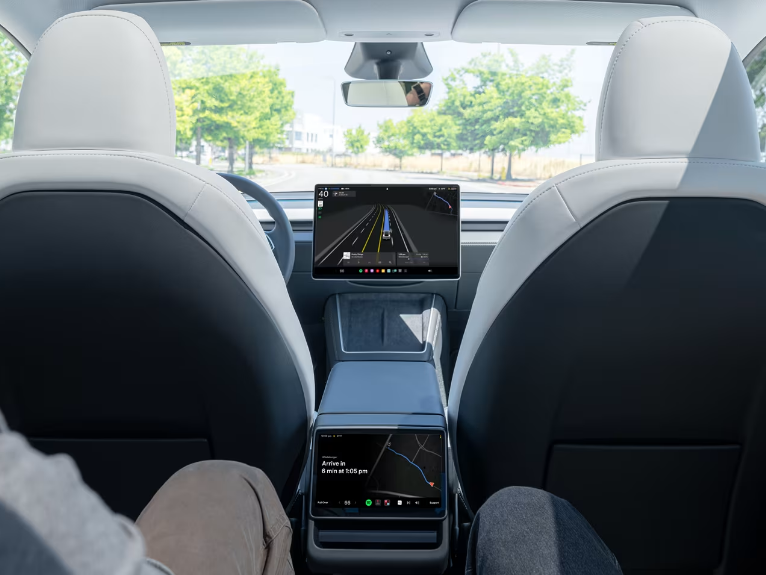
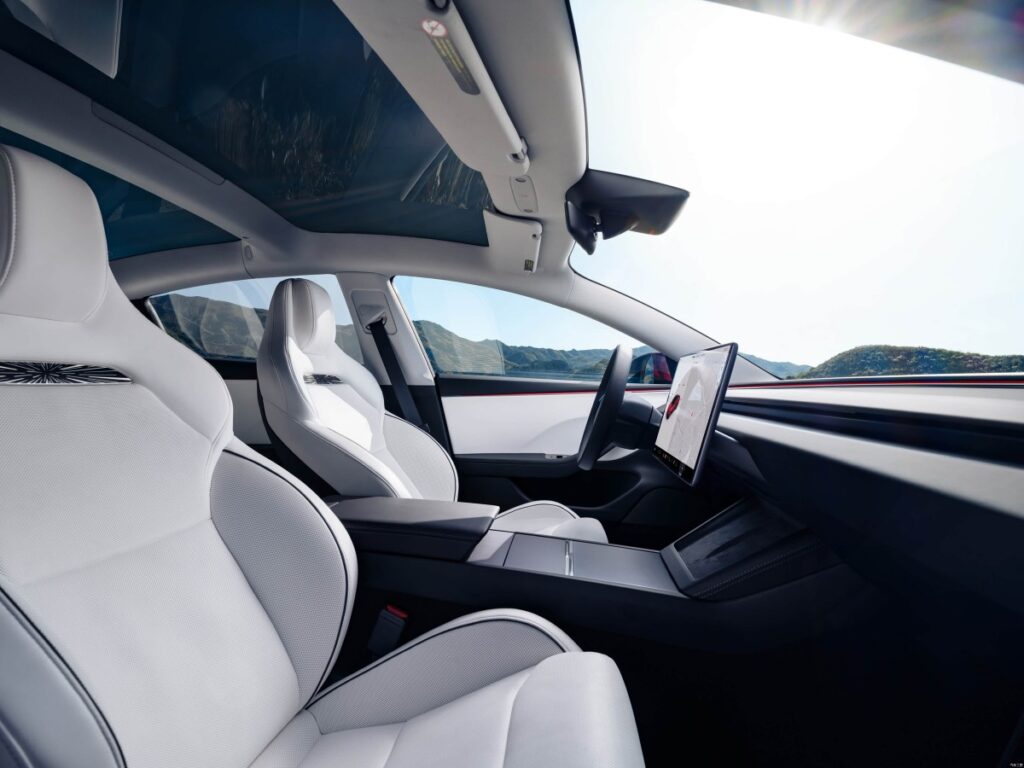
Tesla’s strength lies in its autonomous driving algorithm accumulation. Its standard Autopilot and optional FSD (Full Self-Driving) are the most mature mass-produced smart driving systems globally. With massive road data accumulated over years, Tesla delivers stable, reliable assisted driving performance with smooth logic for lane changes, cruise control, and obstacle avoidance. The downside is its minimalist cockpit: a single central screen cancels almost all physical buttons, which takes time for new users to adapt to, and its in-car entertainment and ecology functions are relatively simple.
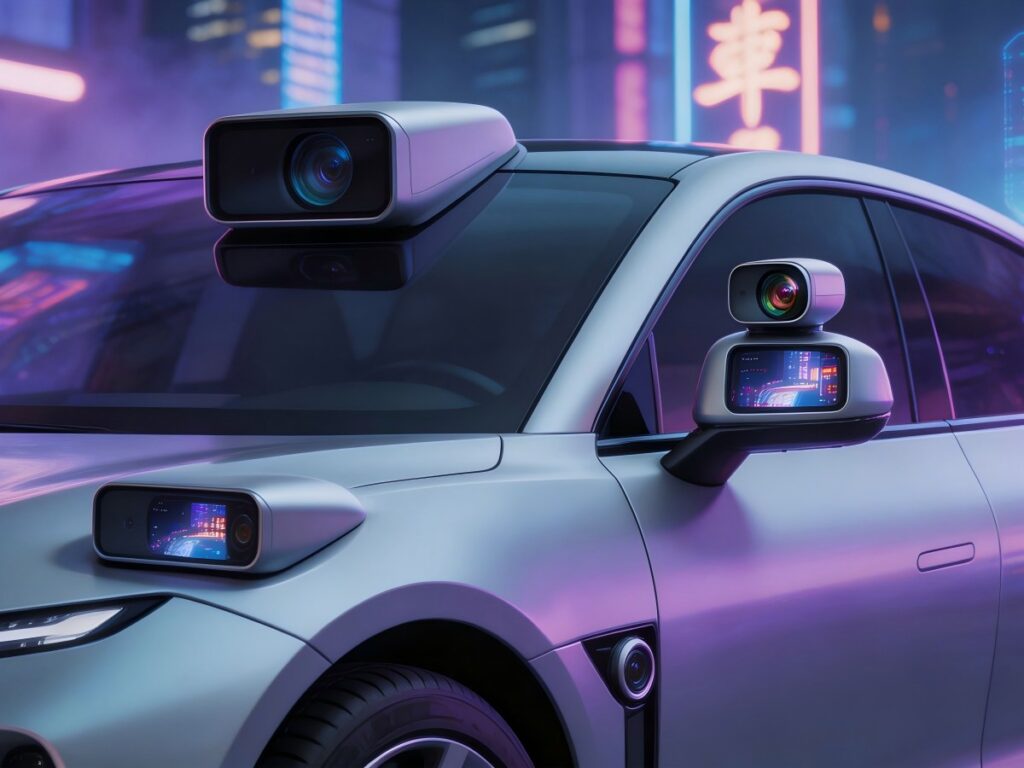
The Xiaomi SU7 comes with full-stack smart hardware as standard, including lidar and high-precision mapping modules that most base Model 3 versions lack. Its smart driving system performs excellently in urban complex road conditions, with precise identification of traffic lights, pedestrians, and non-motor vehicles, and smoother automatic parking performance.
In terms of the cockpit experience, Xiaomi’s ecological advantage is overwhelming. Seamlessly connected with Xiaomi’s mobile phones, tablets, and smart home devices, the SU7 supports one-screen multi-tasking, ultra-smooth screen interaction, and rich third-party app adaptations. For users embedded in the Xiaomi smart ecosystem, the in-car experience is more intelligent, convenient, and interactive than Tesla’s relatively rigid system.
Interior & Space: SU7 Offers More Premium & Spacious Experience
Step inside the two cars, and the grade difference is immediately obvious. The Tesla Model 3’s interior is notoriously minimalist, with a large area of hard plastic, simple trim, and a single floating central screen. While durable and clutter-free, it lacks luxury texture, and the overall design has remained unchanged for years, feeling slightly outdated in 2026.
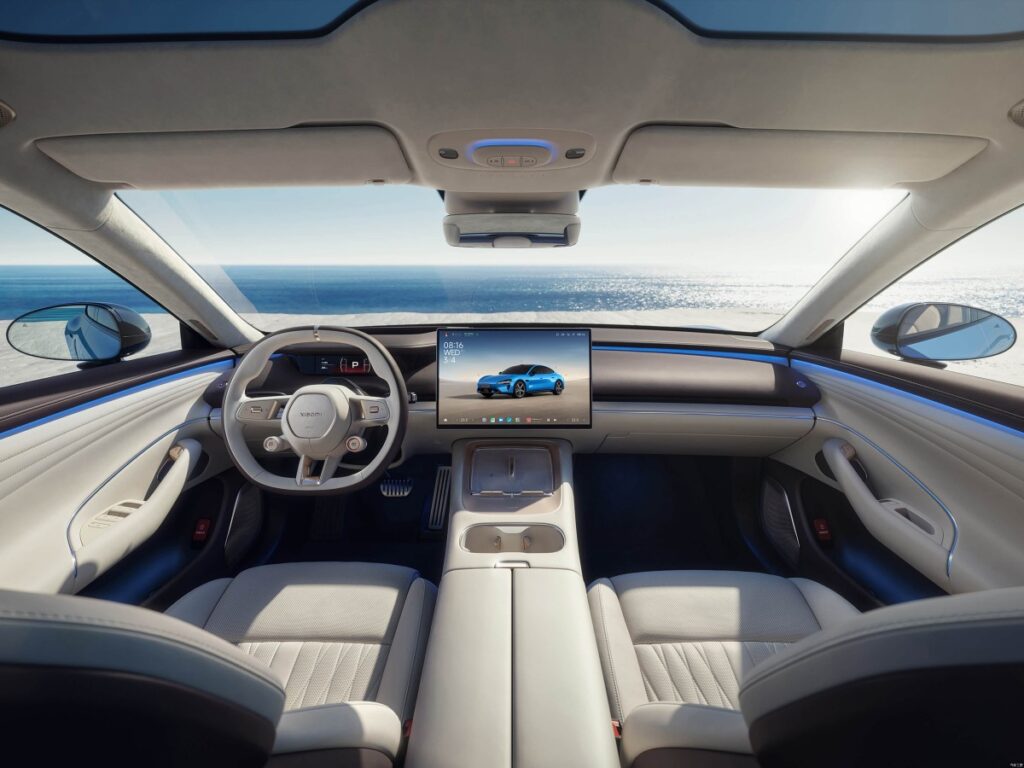
The Xiaomi SU7 targets premium luxury directly. It adopts a large number of soft leather wrappings, sophisticated ambient lighting, and a dual-screen interactive design, creating a more high-end, technological interior atmosphere. Thanks to its larger body size and longer wheelbase, the SU7 offers far more generous rear legroom and headroom than the Model 3. For family users who often carry passengers, the SU7’s spatial comfort is a clear upgrade.
Both models are equipped with standard heat pump air conditioning, ensuring energy-saving temperature control in extreme cold and hot weather, but the SU7 adds more personalized comfort configurations such as seat ventilation and heating in mainstream versions, which are optional or absent on the base Model 3.
Price & Cost Performance: Xiaomi Delivers Stronger Value
Price is the decisive factor for most buyers. The 2026 Tesla Model 3 maintains a stable pricing strategy with official discounts occasionally, focusing on brand premium and residual value retention. Its biggest advantage is excellent used car residual value and mature after-sales service systems, bringing lower long-term car usage costs.
The Xiaomi SU7 adopts a highly cost-effective strategy. With a lower starting price than the Model 3, it delivers all-round superior configurations: longer range, stronger power, full lidar smart driving hardware, a more luxurious interior, and larger space. For users who pursue comprehensive product strength and cost performance, the SU7 offers far more configuration for the money.
It is worth mentioning that Tesla has always adhered to iterative price adjustments and functional OTA updates, while Xiaomi focuses on full configuration stacking for entry-level models, allowing users to enjoy high-end configurations without extra payment.
Final Verdict: Which One Should You Choose?
After a comprehensive comparison, there is no absolute “better” model — only the one that suits your needs better.
Choose the Tesla Model 3 if: You prioritize brand reputation, mature smart driving algorithms, a global mature supercharging network, and high residual value. It is the most reliable and error-free choice for long-distance travel and users who pursue stable car experience.
Choose the Xiaomi SU7 if: You want ultimate cost performance, stronger acceleration, longer battery range, a more luxurious and spacious interior, and an interconnected smart ecosystem. It is the best choice for urban daily commutes, family use, and tech-savvy young users.
As a disruptive newcomer, the Xiaomi SU7 has rewritten the rules of the mid-size electric sedan market and forced Tesla to face fierce competition. In 2026, consumers no longer have to only choose the “old king” — they can opt for a more comprehensive, cost-effective new-generation electric sedan.