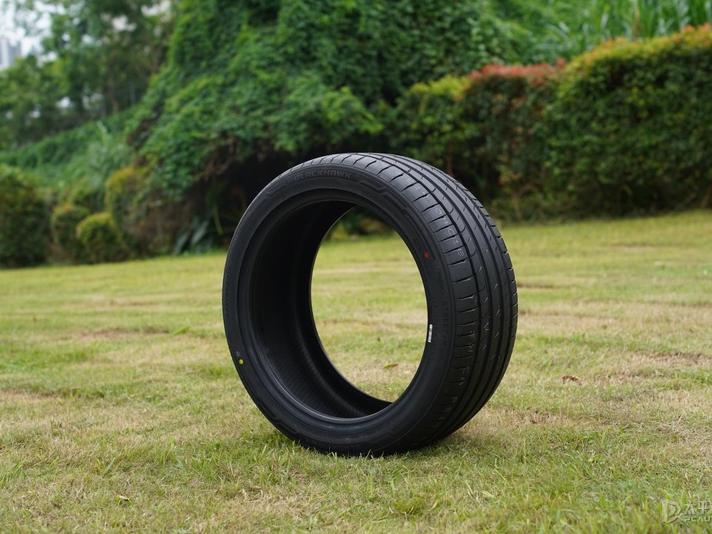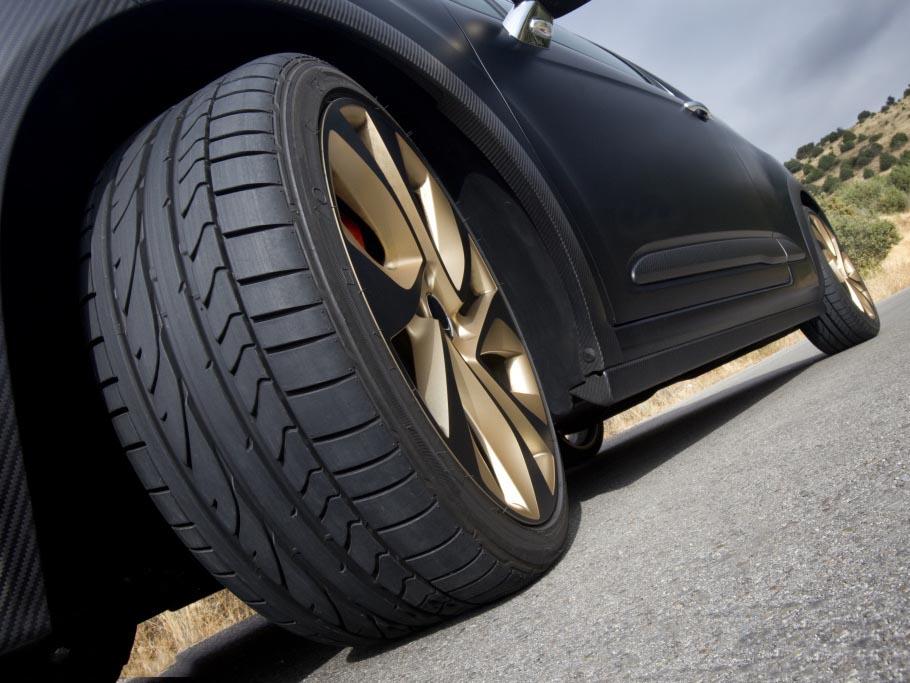
Summer brings intense heat and high temperatures, which pose unique challenges to vehicle tires. The scorching weather easily raises tire pressure, greatly increasing the risk of sudden blowouts. Additionally, high heat softens the tire tread, accelerating tread wear and shortening tire service life significantly. For these reasons, summer is widely regarded as the peak season for tire replacement among vehicle owners. When replacing tires, it is essential for drivers to fully understand tire specification parameters. Mastering these key figures and letters enables car owners to select tires that perfectly match their vehicles, delivering a safer, more comfortable, and smoother driving experience. This article provides an in-depth explanation of the complex combinations of numbers and letters on tire sidewalls, helping all drivers decode critical tire performance information.
Most standard tires are marked with a unified specification format, such as the common “235/45 R18 94W”. Each number and letter in this combination carries a specific meaning that defines the tire’s size, performance, and application scope. We break down this typical specification in detail below.
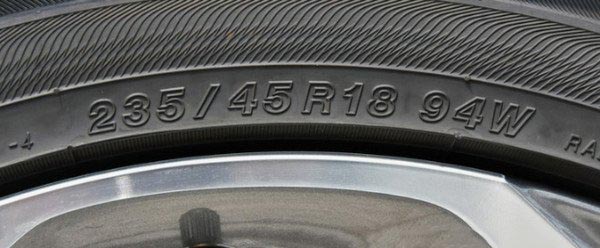
The number “235” refers to the tire’s cross-sectional width, measured in millimeters. Specifically, it represents the width of the tire’s contact surface with the road. This dimension directly affects the tire’s road grip and vehicle handling performance. A wider tire generally provides stronger grip, enhancing driving stability during acceleration, cornering, and braking, while a narrower tire helps reduce rolling resistance for better fuel economy.
The figure “45” stands for the tire’s aspect ratio, which is the percentage ratio of the sidewall height to the tire tread width. Tires with a higher aspect ratio feature taller sidewalls, offering superior cushioning performance and effectively filtering out road vibrations, thus improving overall riding comfort. However, an excessively high aspect ratio will reduce tire rigidity, slightly compromising high-speed handling and cornering stability. In contrast, low-aspect-ratio tires deliver sharper handling but sacrifice part of the comfort performance.
The letter “R” indicates the tire type, representing a radial tire. Radial tires are the mainstream choice for modern passenger vehicles, featuring a scientific internal cord layout. This structural design endows radial tires with excellent structural support, outstanding high-speed stability, and durable wear resistance, fully meeting the daily commuting and high-speed driving needs of most vehicles.
The number “18” denotes the diameter of the matching wheel hub, measured in inches. This parameter must strictly conform to the vehicle’s original hub size. Mismatched diameter parameters will prevent the tire from being installed correctly and may cause potential safety hazards during driving.
The number “94” is the tire’s load index, which corresponds to the maximum load-bearing capacity of a single tire. The higher the load index value, the greater the weight the tire can withstand. Vehicle owners must select tires with a load index that meets or exceeds the original factory standard to ensure stable load-bearing performance and driving safety, especially when the vehicle is fully loaded.
The final letter “W” represents the tire’s speed rating, indicating the maximum safe speed the tire can sustain under standard load conditions. Different speed ratings correspond to distinct speed limits and high-temperature resistance levels. Drivers can choose tires with appropriate speed ratings based on their usual driving habits and road conditions to balance performance and safety.
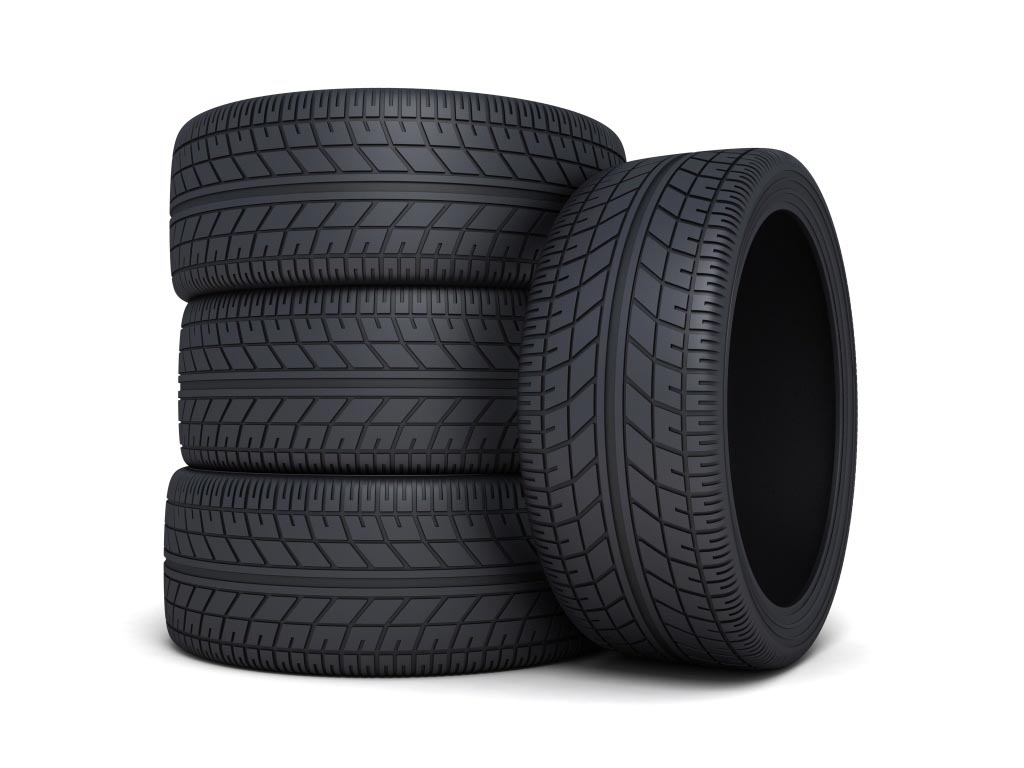
While specification parameters are the core basis for tire selection, vehicle owners also need to comprehensively consider multiple factors such as brand, material, and tread design when replacing tires. These elements jointly determine the tire’s overall performance, wear resistance, noise control, and service life. Choosing a reliable mainstream brand and suitable tire series is crucial to matching personal driving needs and ensuring long-term driving safety.
The global tire market features many well-established mainstream brands with distinct performance characteristics, covering diverse needs for daily commuting, sports driving, and all-road adaptation. Michelin, a world-renowned French tire brand, is celebrated for its outstanding comfort and quiet performance. Its tires adopt soft and refined tread formulas, effectively reducing road noise and vibration during driving, making it the preferred choice for family cars and drivers pursuing high riding comfort. Equipped with advanced EverGrip technology, Michelin tires also maintain excellent wet-skid resistance and stable grip even after partial tread wear, delivering lasting safety performance.
Bridgestone, a top Japanese tire brand, is famous for its balanced comprehensive performance. Its tire products have no obvious shortcomings in wear resistance, grip, and stability, achieving an optimal balance of durability, comfort, and handling. The classic Turanza series excels in both dry and wet road performance and adapts to mild winter conditions, perfectly suited for daily urban commuting and long-distance highway driving. Its Ecopia series focuses on low rolling resistance, helping reduce vehicle fuel consumption while ensuring basic driving performance.
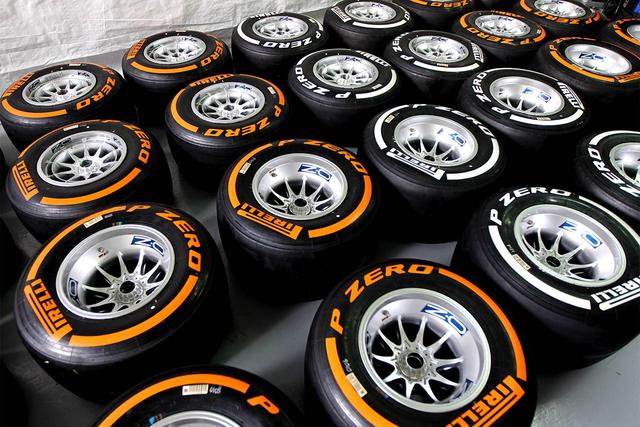
Pirelli, a professional Italian performance tire brand, is widely recognized as a benchmark for sports tires, it is currently the sole tire supplier for Formula 1. With high-rigidity tire structures and high-adhesion tread formulas, Pirelli tires deliver extreme road grip and precise steering response, making them the original equipment for most luxury sports cars and performance vehicles. They perform exceptionally well in high-speed driving and sharp cornering, meeting the performance pursuit of enthusiastic drivers, though they feature relatively higher tire noise and harder driving feel.
Continental, a classic German tire brand, relies on mature silent tire technology and excellent braking performance to win market recognition. Its exclusive ContiSilent technology can effectively reduce road noise transmission, significantly improving in-car quietness during high-speed cruising. The brand’s SportContact series leads the ultra-high-performance tire field with outstanding dry and wet braking stability, while the AllSeasonContact series adapts to extreme temperature changes, achieving reliable all-season comprehensive performance.
In addition, Dunlop, a time-honored British brand, balances cost performance and practicality, with excellent wear resistance and stable basic performance, suitable for most household economy vehicles. These mainstream brands have their own technical advantages and positioning, allowing car owners to make targeted choices according to their vehicle positioning, driving scenarios, and budget.
In conclusion, learning to interpret tire specification parameters is a necessary skill for every car owner when replacing tires. Accurate identification of tire size, load capacity, and speed performance through standard markings helps avoid mismatched installation and potential safety risks. Meanwhile, on the premise of meeting specification matching requirements, selecting high-quality tires from reputable mainstream brands based on personal driving habits and road conditions can effectively improve driving safety and comfort, extend tire service life, and ensure stable and reliable performance in high-temperature summer driving and daily travel scenarios.