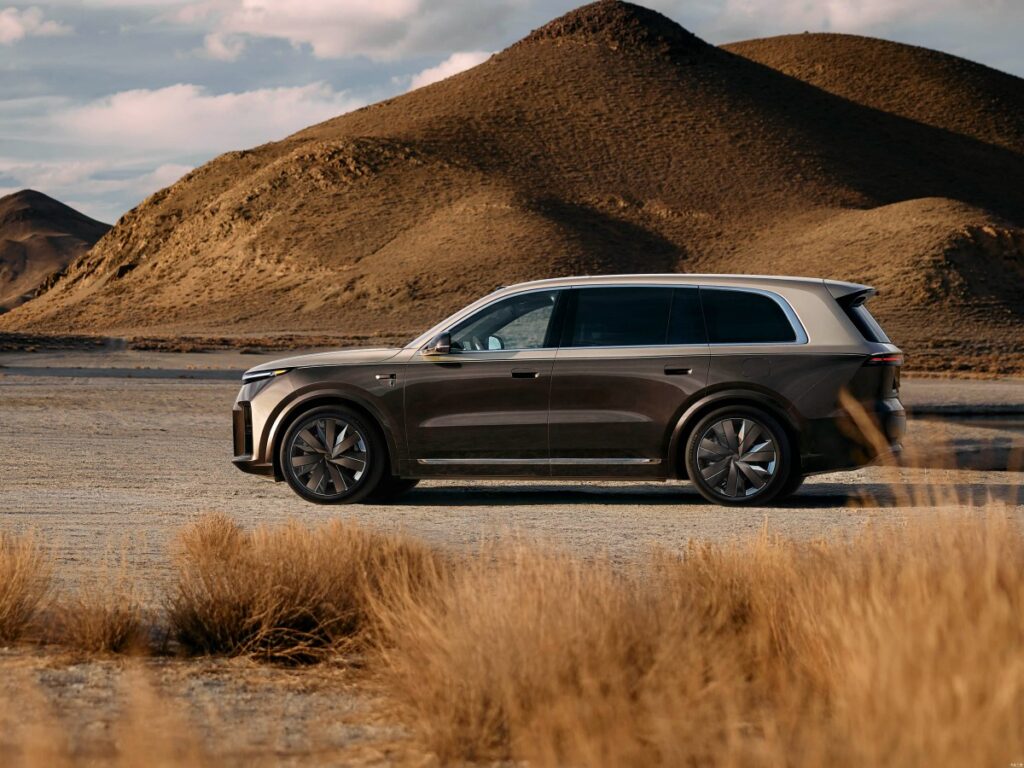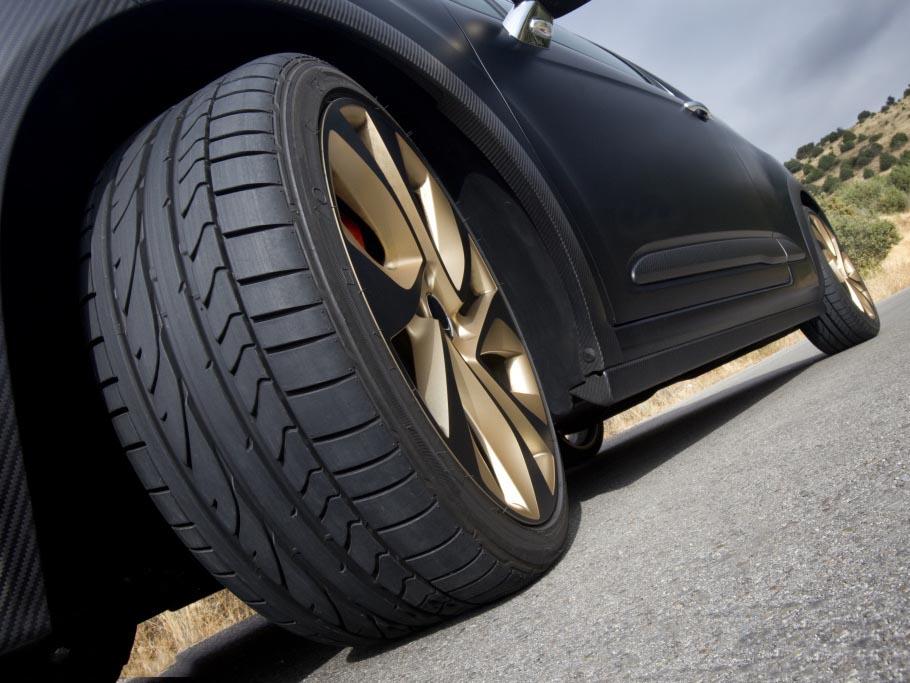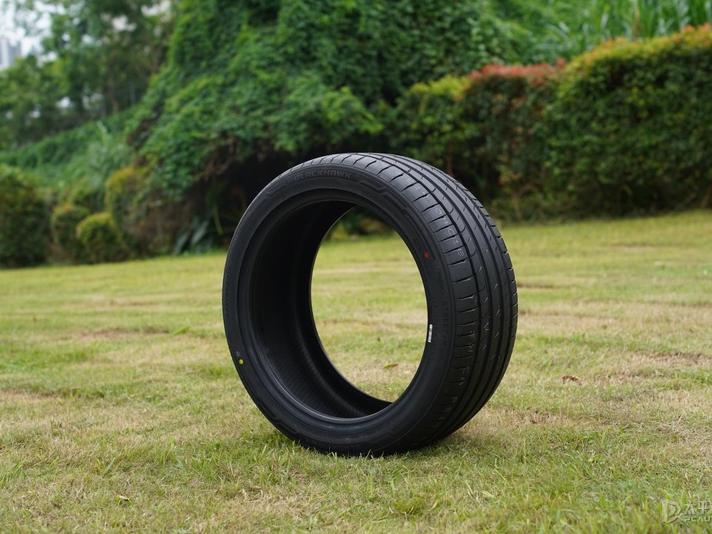
Four black rubber rings constitute the only contact points between a vehicle and the ground. All power output, braking and steering functions ultimately rely on these contact surfaces—scarcely larger than an A4 sheet of paper—to operate. As the most inconspicuous yet irreplaceable component of automobiles, tires are witnessing unprecedented industry shifts amid the boom of new energy vehicles.
The Pre-Tire Era: Wooden Wheels, Iron Hoops and Bumpy Rides
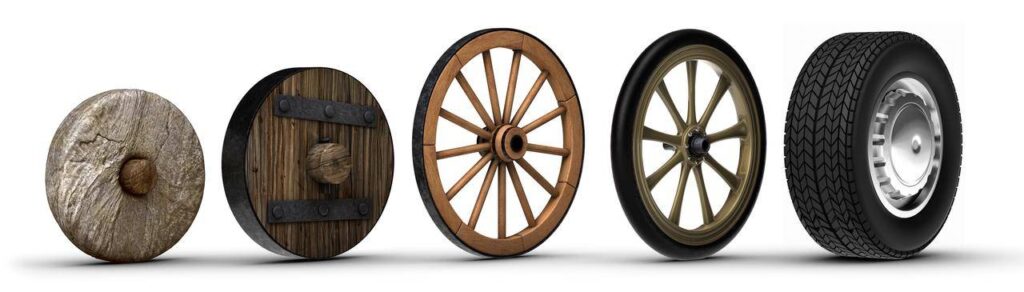
The history of wheels dates back 5,000 years, with the earliest designs crafted entirely from wood. Direct friction with the ground caused rapid wear and tear on wooden wheels, leading people to wrap iron hoops around their outer edges—creating the earliest primitive tires, which served merely as wear-resistant protective covers.
Iron-hooped wheels had glaring inherent flaws: they were rigid and inelastic, transmitting impact from every road stone directly to the vehicle; they generated deafening noise during operation; and the iron hoops were prone to loosening and detachment.
These drawbacks were tolerable for horse-drawn carriages in low-speed scenarios. However, with the advent of the automotive era and a sharp surge in travel speeds, the limitations of iron-hooped wheels became completely unsustainable.
The Rise of Rubber: From Solid to Pneumatic, a Groundbreaking Leap
Discovery of Natural Rubber and Vulcanization Technology
In 1839, American inventor Charles Goodyear accidentally developed rubber vulcanization technology. By heating raw rubber mixed with sulfur, he transformed the sticky, fragile raw material into an elastic, wear-resistant and heat-stable substance, laying the material foundation for modern tires. The iconic tire brand Goodyear is named after him, though the inventor himself never profited from this revolutionary discovery.
Solid Rubber Tires (1845–1888)
The first generation of rubber tires adopted a solid structure, with vulcanized rubber directly wrapped around wheel rims. Though softer than iron hoops, solid rubber tires still delivered a bumpy riding experience and produced severe vibration at moderate speeds, failing to adapt to the evolving demands of automotive travel.
Birth of Pneumatic Tires (1888)
In 1888, Scottish veterinarian John Boyd Dunlop invented the world’s first pneumatic tire to smooth out his son’s tricycle rides. He fitted inflated rubber tubes to wheel rims, creating a design that revolutionized the entire transportation industry.
Despite its simple principle, the pneumatic tire brought transformative advantages: it utilized compressed air as an elastic medium to effectively absorb road impact, while boasting a far lighter weight than solid rubber alternatives. This core design principle has remained unchanged for 135 years to this day. Dunlop later founded the eponymous tire company, which remains one of the world’s leading tire brands.
Evolution of Tire Structure: From Fabric Cords to Steel Wires
Early pneumatic tires suffered from a critical defect: frequent blowouts. High-speed driving generated intense heat and pressure that easily ruptured rubber tires. In the early days of motor racing, drivers carried multiple spare tires as standard equipment, and replacing more than a dozen tires in a single race was commonplace.
Cord Ply Structure (1900s–1940s)
Engineers embedded cotton cord plies inside rubber to form a composite structure. Rubber provided elasticity and air tightness, while cord plies bore structural stress, creating the prototype of the internal skeleton for modern tires.
Nylon Cord Innovation (1930s–1950s)
Cotton cords were replaced by higher-strength nylon fibers, greatly enhancing the pressure-bearing capacity of tires. The massive demand for military vehicle tires during World War II accelerated this technological upgrade.
Revolution of Radial Tires (1946)
In 1946, French manufacturer Michelin invented the radial tire, marking the most significant structural innovation in tire history. Compared with traditional bias tires, radial tires feature vertically arranged cord layers, delivering superior stability, wear resistance and fuel efficiency. Today, radial tires have become the absolute mainstream for passenger vehicles worldwide.
Steel Cord Technology (1950s–Present)
Nylon cords were further upgraded to steel cords, forming the robust steel skeleton of modern tires. This upgrade drastically improved tire load-bearing capacity and high-speed driving stability, laying the structural foundation for heavy-duty and high-speed vehicle travel.
Evolution of Tire Formulas: Material Proportions Determine Core Performance
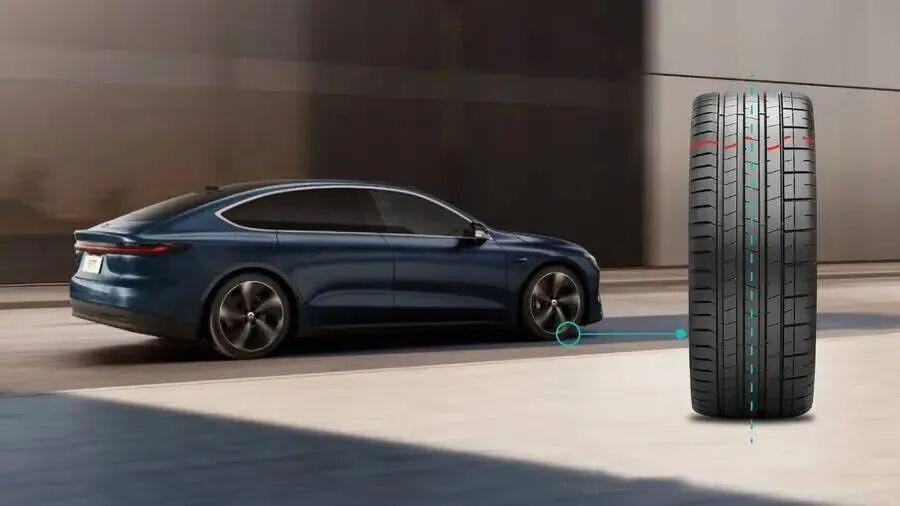
Tire performance depends not only on structural design but also on material formulas, which dictate key indicators such as elasticity, wear resistance and grip.
Natural Rubber (NR): Boasts excellent elasticity but poor heat resistance, prone to aging and degradation under sustained high-speed driving conditions.
Synthetic Rubber: During World War II, disrupted natural rubber supplies prompted Germany to achieve large-scale synthetic rubber production. After the war, synthetic rubber gained widespread popularity, and modern tires universally adopt mixed formulas of natural and multiple synthetic rubbers to balance comprehensive performance.
Carbon Black: Discovered in the late 19th century, carbon black can boost tire strength by 4 to 5 times and extend tire service life from several hundred kilometers to tens of thousands of kilometers. It is also the fundamental reason why mainstream tires are black—pure rubber without carbon black is milky white.
Silane Coupling Agent (White Carbon Black): Invented by Michelin in the 1990s, this technology partially replaces carbon black with white carbon black. It simultaneously improves wet-road grip and reduces rolling resistance, breaking the bottleneck of the “magic triangle” of tire performance (grip, rolling resistance and wear resistance) and representing a major breakthrough in modern tire technology.
New Energy Vehicles: Unprecedented Challenges for the Tire Industry
The rapid popularization of electric vehicles (EVs) has put the tire industry under an unprecedented stress test, bringing four core challenges that traditional fuel vehicle tires cannot fully adapt to.
Excessive Vehicle Weight
As the core heavy component of EVs, battery packs typically weigh 400 to 600 kilograms. Coupled with optimized vehicle structures, mainstream electric SUVs have a curb weight of 2.2 to 2.8 tons, while luxury models such as NIO ES8 and Li Auto L9 exceed 2.5 tons—far heavier than 1.8 to 2.2 tons for equivalent fuel SUVs.
Increased vehicle weight triggers a chain of tire performance risks: higher ground contact pressure leads to greater tire deformation and faster heat generation; longer braking distances require tires to withstand stronger braking force; tire wear accelerates, shortening service life by 20% to 30%; and the risk of blowouts rises sharply. Most traditional fuel vehicle tires have insufficient load indices to match heavy EVs, leading to potential safety hazards if used directly.
Instant and Powerful Torque Output
Unlike fuel engines that require speed escalation to generate progressive torque, electric motors deliver maximum torque instantly upon acceleration. This instantaneous high torque exerts far greater shear force on tires than fuel vehicle scenarios. As a result, EV tires wear significantly faster, especially the drive wheels. Many users report that EV tire service life is only 60% to 70% of that of fuel vehicle tires.
Higher Noise Reduction Requirements
Engine and exhaust noise in fuel vehicles masks tire road noise. In contrast, EVs operate with nearly silent powertrains, making tire noise the primary in-vehicle noise source. This raises stricter demands for tire noise reduction design and acoustic performance optimization.
Strict Low Rolling Resistance Demands
A 10% reduction in tire rolling resistance can increase EV cruising range by 3% to 5%. Against the backdrop of persistent range anxiety, automakers and consumers have strong demand for low rolling resistance tires. However, low rolling resistance usually requires harder tread formulas, which compromise wet-road grip and riding comfort—intensifying the performance trade-off of the tire “magic triangle” in the EV era.
EV-Specific Tires: Core Technical Improvements
To address the unique challenges of electric vehicles, mainstream tire manufacturers have launched dedicated EV tires with four core optimization directions:
Elevated Load Capacity
By reinforcing the internal steel skeleton and cord ply structure, EV tires achieve a 10% to 20% increase in load capacity at the same size, perfectly matching the higher curb weight of electric vehicles.
Optimized Tread Formulas
Customized rubber formulas are developed to resist instantaneous high torque impact from motors, effectively improving wear resistance while maintaining stable wet-road grip performance.
Professional Acoustic Noise Reduction Design
Inner cavity acoustic foam is pasted inside tires to absorb cavity resonance noise directly, reducing overall noise by 3 to 9 decibels. Meanwhile, optimized pitch arrangement of tread blocks disperses noise frequencies, delivering a softer auditory experience for passengers.
Low Rolling Resistance Formulas
Advanced silane coupling agent formulas are adopted to reduce rolling resistance without sacrificing core grip performance, effectively boosting EV cruising range.
Will EV Tire Prices Keep Rising?
The cost trend of EV tires is a key concern for electric vehicle users. In fact, EV tires face structural cost upward pressure but will not rise indefinitely, with competing driving forces on both cost increase and reduction.
Factors Driving Cost Increases
First, technical upgrade costs. EV-specific configurations including acoustic foam, reinforced skeletons and high-performance formulas raise manufacturing costs by 15% to 30% compared with ordinary tires of the same specification, with part of the cost passed on to consumers.
Second, larger tire sizes. New energy vehicles widely adopt large-size tires (20-inch and 21-inch as standard for flagship electric SUVs) for better visual effects and handling, increasing raw material consumption and natural selling prices.
Third, higher replacement frequency. Faster wear of EV tires shortens replacement cycles, increasing the comprehensive vehicle usage cost for users.
Fourth, tight natural rubber supply. Major natural rubber producing areas in Southeast Asia face long-term supply uncertainties due to climate change and pest infestations.
Factors Curbing Cost Growth
First, the rise of Chinese tire brands. Domestic brands such as Linglong, Sailun, Sentury and Wanli have achieved rapid breakthroughs in the EV supporting market. With continuously improved quality and strong price competitiveness, they have entered the supply chains of mainstream new energy automakers, effectively restraining overall market price hikes.
Second, alternative material technology progress. Advances in bio-based synthetic rubber and recycled rubber technologies reduce industry reliance on natural rubber. Brands including Michelin have pledged to launch 100% sustainable material tires by 2050.
Third, scale effect dividends. Sustained growth in EV sales expands the production scale of dedicated EV tires, driving down unit manufacturing costs through mass production.
The Future of Tires: Next-Generation Technological Innovation
Non-Pneumatic Tires (NPT)
Michelin, Bridgestone and Goodyear are actively developing non-pneumatic tires, which replace air pressure support with special elastic spoke structures, completely eliminating the risk of blowouts. Currently applied in low-speed vehicles such as golf carts and construction machinery, mass adoption for passenger vehicles is still in the research and iteration stage.
Self-Healing Tires
Tires coated with special sealant on the inner layer can automatically seal punctures from nails and other sharp objects, avoiding rapid air leakage. This technology has already been equipped on some mass-produced vehicle models.
Smart Sensor Tires
Built-in pressure, temperature and wear sensors monitor tire status in real time and feed data to the vehicle control system. Linked with ADAS functions, the system can pre-warn of abnormal tire conditions and improve driving safety.
Degradable and Sustainable Tires
Innovative materials such as dandelion rubber and bio-based synthetic rubber, as well as recycled carbon black, are replacing traditional raw materials, reducing the carbon footprint of tires and meeting increasingly stringent global ESG regulatory requirements.
Conclusion
From primitive iron hoops to intelligent EV-specific tires, the 5,000-year evolution of tires has always advanced alongside transportation innovation. Amid the new energy vehicle revolution, the tire industry is undergoing a comprehensive technological upgrade to adapt to heavy weight, high torque, low noise and low energy consumption demands. As new materials and smart technologies continue to iterate, tires will evolve from a simple rubber component into a core intelligent safety unit for future vehicles.