According to foreign media reports, Taiwan-based solid-state battery manufacturer ProLogium Technology has announced that it will list on the New York Stock Exchange through a merger with special purpose acquisition company (SPAC) Translational Development Acquisition Corp. (TDAC), with the transaction valued at $3.8 billion.
A SPAC is a shell company that raises funds through an initial public offering (IPO) and then merges with a private company, thereby helping the latter bypass the traditional IPO process to go public.
Here are some details of the transaction:
· The transaction will provide ProLogium Technology with funding to scale up production of its fourth-generation solid-state batteries and advance the construction of its new gigafactory in Dunkirk, France.
· Construction of HuiNeng Technology’s Dunkirk facility is expected to begin in late 2026, with mass production and deliveries scheduled to commence in the second quarter of 2029.
· The transaction will also help HuiNeng Technology further expand into growth markets such as data centers, aerospace, robotics, and defense.
· The transaction is expected to close in the second half of 2026. The combined company will be listed on the Nasdaq under the ticker symbol “PRLG.”
· Cohen & Company Markets served as advisor to PRLG for this transaction, BTIG Financial Services served as advisor to TDAC, and Crédit Agricole Corporate and Investment Bank served as placement agent for PRLG.
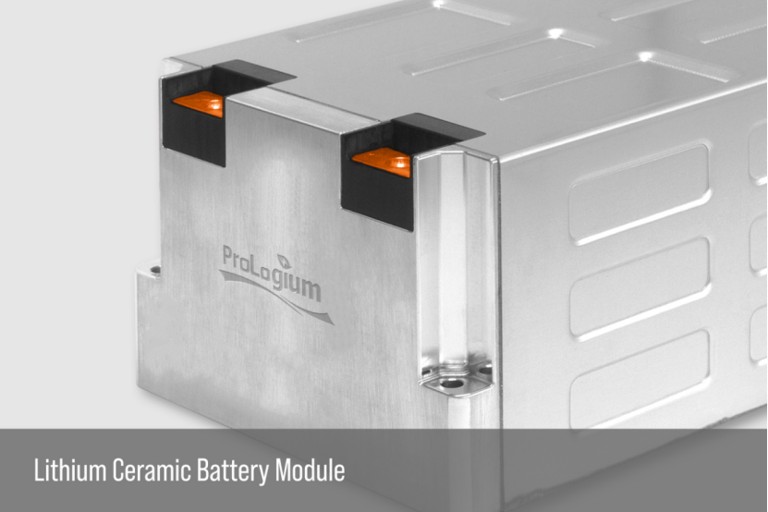
Founded in 2006, PowerNano specializes in the production of solid-state lithium-ceramic batteries for electric vehicles. Since 2013, the company has delivered more than 2.4 million battery cells to customers.
Solid-state batteries are often regarded as the “Holy Grail” of energy storage. Unlike traditional lithium-ion batteries, which rely on liquid electrolytes, solid-state batteries use solid conductive materials.
Solid-state batteries typically offer higher power output and faster charging speeds. At the same time, they are safer because they reduce or even completely eliminate the use of flammable electrolytes. BloombergNEF analysts project that global demand for solid-state batteries could reach 181 GWh by 2030, a ninefold increase from current levels.
However, the path to widespread adoption of solid-state batteries remains fraught with challenges due to high costs and technical hurdles in mass production. According to BloombergNEF data, less than 10% of the global solid-state battery production capacity currently in the planning stages has actually come online, with approximately 99% of that concentrated in China.
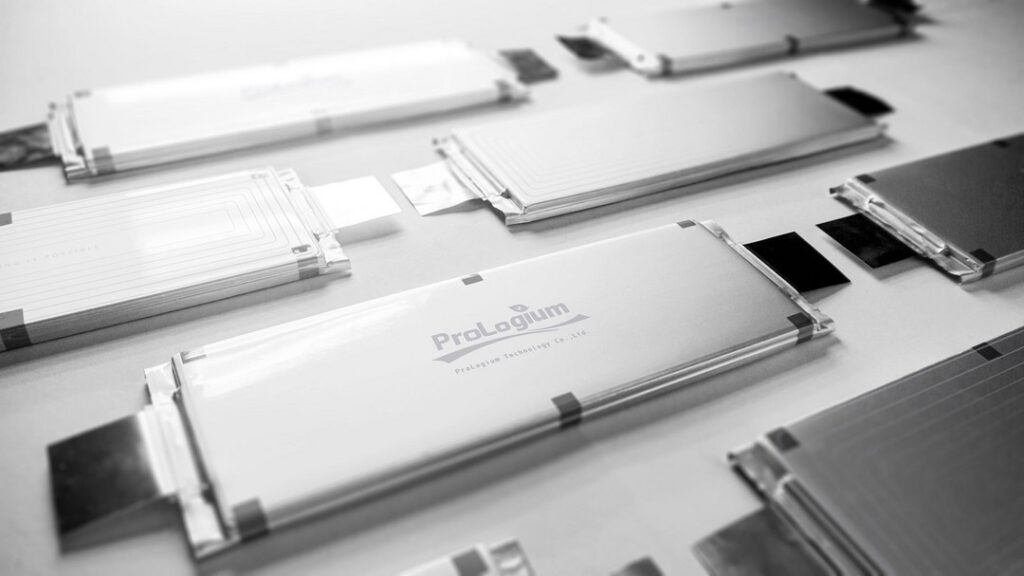
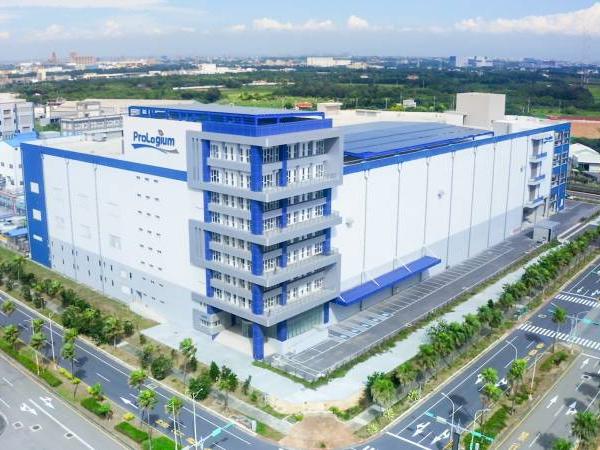
Huaneng Technology’s factory in Taiwan currently has an annual production capacity of 1 GWh of battery cells and plans to triple that capacity by 2035, depending on market conditions. Meanwhile, the company’s new factory in France is expected to add an additional 4 GWh of annual production capacity by 2030.
Currently, most of Huaneng Technology’s battery products are sold to drone manufacturers, defense contractors, and satellite companies. However, the company anticipates that this will change as production capacity increases and costs decline. By 2032, approximately 60% of Huaneng Technology’s products may be directed toward the electric vehicle market.
However, competition in the solid-state battery market is already quite intense. CATL, the world’s largest lithium-ion battery manufacturer, is investing heavily, while QuantumScape—backed by Volkswagen—and Factorial Energy—backed by Mercedes-Benz—are also vying for market dominance.
Meanwhile, public market investors remain cautious toward solid-state battery companies. The stock prices of QuantumScape and Solid Power have fallen by about 75% from their late-2021 peaks.
In response, HuiNeng Technology says it is not concerned, noting that the company’s progress toward mass production could become a key factor in attracting investors.