Auto Home

China automotive

Chinese electric vehicles have been approved for entry into the Canadian market, and dealers are actively seeking distribution rights.

Starting in 2024, Canada will allow the import of 49,000 Chinese-made electric vehicles annually, subject to a 6.1% most-favored-nation tariff, with the quota increasing proportionally each year. Following the implementation of this policy, many Canadian auto dealers have begun actively seeking partnerships with Chinese automakers. Michael McGillivray, who manages 10 dealerships in Nova Scotia and New Brunswick, noted that Chinese EVs excel in materials, design, and driving experience. He has joined other Canadian dealers in attending the Beijing Auto Show to establish connections with Chinese manufacturers. Farid Ahmed, CEO of DSMA, a car dealership brokerage firm in the Toronto suburbs, revealed that the company has received inquiries from nearly 400 Canadian dealers regarding the distribution of Chinese brands and is currently facilitating partnerships with automakers such as BYD, Geely, and Chery. Test drive vehicles from some Chinese brands have already arrived in Toronto. According to S&P Global data, total vehicle sales in Canada exceeded 1.9 million units in 2023, with major brands including General Motors, Ford, Toyota, and Hyundai. Some local consumers have expressed an open attitude toward Chinese EVs, believing they will increase market choices and have a positive impact. However, the Canadian Automobile Manufacturers Association has expressed concerns about opening the market to Chinese EV imports. The Canadian government has established annual import quotas as a “safety barrier” to limit market share in the initial phase. Industry analysts estimate that Chinese EVs will account for 3% to 5% of the market in Canada initially, which is not yet sufficient to significantly alter the existing competitive landscape.

Chinese electric vehicles have been approved for entry into the Canadian market, and dealers are actively seeking distribution rights. Read More »

Will pure vision-based autonomous driving definitely beat LiDAR

Will pure vision-based autonomous driving definitely beat LiDAR

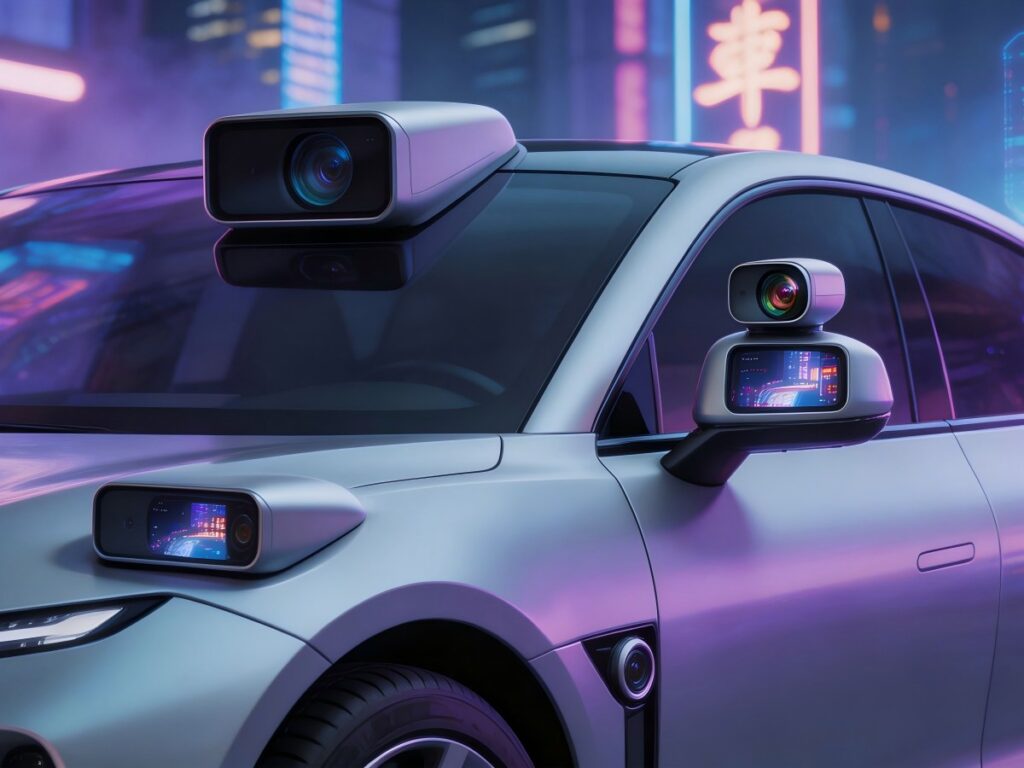
Recently, Tesla’s autonomous electric vehicle Cybercab officially entered production in North America, becoming the world’s first mass-produced Level 5 autonomous vehicle without human intervention. According to media reports, Tesla, through a self-certification compliance pathway, is not subject to the U.S. National Highway Traffic Safety Administration (NHTSA)’s annual exemption quota of 2,500 autonomous vehicles, enabling unlimited production capacity. As recently as last December, a Tesla owner completed a 10,000-mile intercontinental drive using the FSD V14.2 system, crossing 24 U.S. states with zero human intervention throughout the journey. Meanwhile, in December 2025, a large-scale power outage occurred in San Francisco, causing all traffic lights to fail. Overnight, 300 Waymo autonomous taxis were completely paralyzed at intersections, unable to move. Within 6 hours, there were more than 20 related complaints, and fire vehicles were unable to pass. Later that night, Waymo announced the suspension of its entire fleet in the city. A single power outage crippled an entire city’s autonomous driving system. One system was completely paralyzed by an infrastructure failure, while the other could cross an entire country without human hands touching the steering wheel. Behind this lies the biggest technological route dispute in the history of autonomous driving. 2026: Pure Vision Autonomous Driving Has Won In March 2024, Tesla released the FSD V12 version. This version achieved a breakthrough previously unimplemented: discarding all approximately 300,000 lines of handwritten C++ driving rule code and replacing it with an end-to-end neural network. Previous autonomous driving systems followed this logic: brake when encountering a red light, yield when detecting pedestrians, and slow down, observe, yield, and then merge when entering a roundabout. For each scenario, engineers needed to write a rule. 300,000 lines of code covered thousands of scenarios. But the real world contains infinite possibilities, and engineers can never exhaust all rules with code alone. FSD V12’s approach is completely different. It does not tell the vehicle how to drive; instead, it provides the model with millions of video clips of human driving for it to learn independently. The input is only camera images, and the output is directly steering wheel angle, throttle, and brake commands, with no human-prescribed rules in between. As Elon Musk put it: “Not a single line of code says ‘this is a roundabout.’” For this reason, the industry has called V12 the “ChatGPT moment” in the field of autonomous driving. ChatGPT does not rely on human-written grammatical rules to form sentences, but rather learns the essence of language from trillions of words. Similarly, V12 does not rely on human driving rules to control vehicles, but comprehends the essence of driving from billions of miles of driving data. From the perspective of version iteration, V12.3 had a critical disengagement (requiring human takeover) approximately every 180 to 228 miles; V13.2 improved this indicator to 371 to 493 miles; V14.2 exceeded 1,400 miles. The newly released V14.3 version is defined by Tesla as the final piece of the puzzle to achieve unsupervised FSD—with upgraded reinforcement learning training and a 20% reduction in inference latency. From V12 to V14, the safety distance has increased by 8 times in less than two years. During the 2026 Q1 earnings call, Elon Musk made a weighty statement: V14 is significantly safer than human driving. This means that autonomous driving has crossed a threshold for the first time—it is no longer approaching humans, but surpassing them. At the same time, three industry signals support this judgment. First, the weak are eliminated. Apple abandoned Project Titan; Argo AI collapsed completely. It is not that the technology is unfeasible, but that funding is unsustainable. R&D costs are squeezing out players without a data flywheel. Second, the survivors are accelerating. Waymo completes 500,000 rides per week, and Baidu has served more than 20 million times cumulatively. But Tesla already has 1.28 million FSD paid users, with a cumulative driving distance exceeding 10 billion miles—nearly 50 times that of Waymo. The data advantage is not linear growth, but exponential: more data trains a better model, a better model attracts more users, and more users generate more data. Third, the wind is shifting. XPeng Motors removed LiDAR from multiple models and launched a pure vision solution; NIO shifted to an end-to-end technical route; China’s largest ADAS supplier developed an end-to-end system that does not rely on LiDAR. Even Waymo itself reduced the number of sensors from 40 to 23 in its sixth-generation system. The direction is clear: more AI, fewer sensors. Therefore, 2026 has become the first year, not because LiDAR has become cheaper, nor because a certain city has put hundreds more robotaxis on the road, but because a fundamental technological paradigm shift has occurred: software has proven for the first time that it can replace hardware, and AI driving has surpassed human driving in a statistical sense for the first time. The Structural Pitfalls of LiDAR Waymo is currently the only company operating large-scale fully autonomous taxis. With 500,000 rides per week, operating 3,000 vehicles in 10 U.S. cities, it has raised a total of 16 billion US dollars and has a valuation of 126 billion US dollars. This is the most commercially successful autonomous driving enterprise to date. However, Waymo relies on three core elements: high-precision maps, LiDAR, and remote operators. These three work well together under ideal conditions, but the real world is not always ideal. During the San Francisco power outage, all traffic lights failed, and 300 Waymos were collectively paralyzed. Its logic is to treat unmarked intersections as four-way stops, but when the entire city loses power, every intersection becomes a four-way stop, and requests to the remote control system are instantly overwhelmed. A single infrastructure failure led to the entire fleet going offline. In December 2025, a Waymo carrying passengers in Los Angeles drove straight into an armed police arrest scene. Police officers were holding guns, and the suspect was lying on the ground. After slowing down, the Waymo stopped next to the suspect, as the system could not understand the meaning of

Will pure vision-based autonomous driving definitely beat LiDAR Read More »

BYD to Overtake Tesla in Energy Storage Shipments in 2025 and Claim the Top Spot

BYD to Overtake Tesla in Energy Storage Shipments in 2025 and Claim the Top Spot

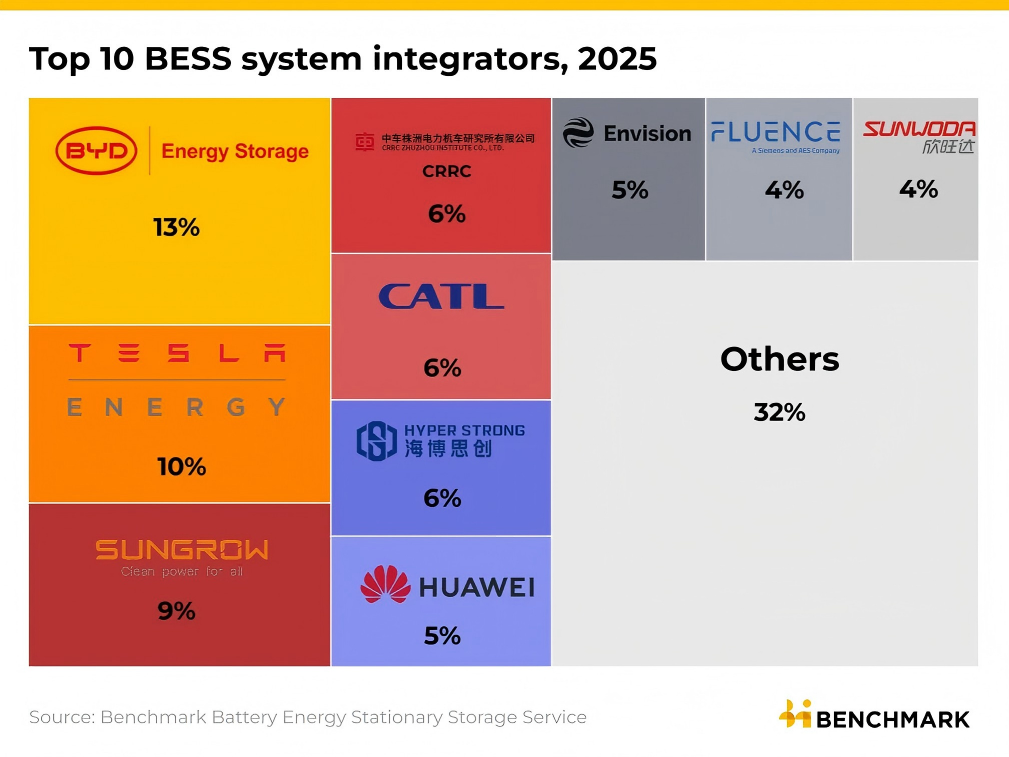
According to the latest statistics released by the authoritative research firm Benchmark Mineral Intelligence, BYD officially surpassed Tesla as the world’s leading battery energy storage system integrator in 2025, ranking first with shipments exceeding 60 GWh and a market share of 13%. This shift ended Tesla’s two-year consecutive lead from 2023 to 2024. During the same period, Tesla’s energy storage installed capacity stood at 46.7 GWh, with a market share of 10%, ranking second globally. This shift in rankings occurred against the backdrop of rapid expansion in the global energy storage market. In 2025, global battery energy storage system installations surged by 51% year-over-year to approximately 315 GWh, while shipments of stationary energy storage cells exceeded 600 GWh. Amid this explosive growth, the Chinese market emerged as the core driving force. In December 2025 alone, the installed capacity of large-scale energy storage projects in China reached 65 GWh—a figure that even surpassed the total annual energy storage installations in the United States. The key to BYD’s ability to overtake its competitors lies in the advantages of its vertically integrated industrial chain. Data shows that in the first three quarters of 2025, BYD’s total battery production exceeded 113 GWh, with this capacity simultaneously supporting the rapid expansion of both its electric vehicle and energy storage businesses. The model of independently researching, developing, and manufacturing Blade lithium iron phosphate battery cells not only gives BYD a structural advantage in cost control but also provides the company with greater confidence when launching high-capacity products. For example, the “Haohan” energy storage system launched in September 2025 features a standard capacity of 14.5 MWh—approximately three times that of Tesla’s Megapack product released during the same period—and has already been successfully deployed in massive overseas projects such as a 12.5 GWh facility in Saudi Arabia. In contrast, although Tesla maintained a robust year-over-year growth rate of 49% in 2025 and plans to increase its annual energy storage production capacity to 50 GWh by the end of 2026, its supply chain weaknesses remain evident. Due to a long-standing lack of in-house battery cell production capabilities, Tesla’s Megapack products rely primarily on external procurement, with its cell suppliers even including BYD and CATL—its direct competitors in the energy storage sector. To alleviate this situation, Tesla recently finalized a multi-billion-dollar lithium iron phosphate battery procurement agreement with LG Energy Solution; however, this reflects that the company remains dependent on upstream supply chains for core components. Looking at the overall list of the top ten companies in the global energy storage industry, Chinese firms now occupy eight spots. In addition to BYD, companies such as Sungrow, CRRC Zhuzhou Institute, CATL, and Huawei are all on the list.

BYD to Overtake Tesla in Energy Storage Shipments in 2025 and Claim the Top Spot Read More »

Tesla FSD

Breaking News! Tesla Officially Announces the FSD Supervision Edition

May 21 — Today, Tesla officially released the latest list of countries and regions where FSD Supervised is available on social media platforms. China is included, along with nine others: the United States, Canada, Mexico, Puerto Rico, Australia, New Zealand, South Korea, the Netherlands, and Lithuania. Lithuania is the newest addition to this list, marking the second European country where Tesla’s FSD has been approved for use. Covering 10 countries represents the largest expansion of Tesla’s FSD to date. Tesla’s FSD stands for Full Self-Driving. However, since drivers must remain fully attentive and ready to take control of the vehicle at any time while using it, it is referred to as FSD Supervised. This is Tesla’s Level 2 advanced driver-assistance feature available to the public. So, is FSD with Supervision now actually available in China? When asked by Tesla’s official customer service whether FSD with Supervision is available, the response was: “We are actively advancing preparations for intelligent driver-assistance software in accordance with relevant regulations issued by the country in recent years.” Currently, there are no updates regarding FSD on Tesla’s official website, nor have any users reported receiving updates on social media platforms.

Breaking News! Tesla Officially Announces the FSD Supervision Edition Read More »

Bao 8

Drive on Three Wheels, The Fangchengbao Bao 8 Yunnian-P Ultra Experience

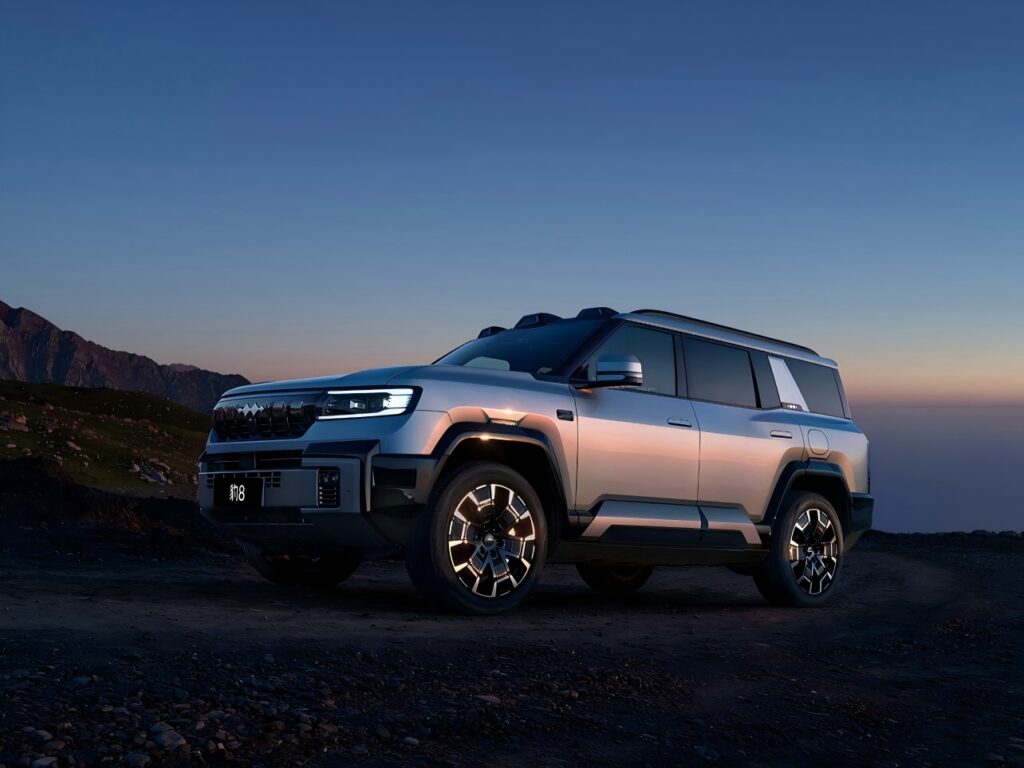
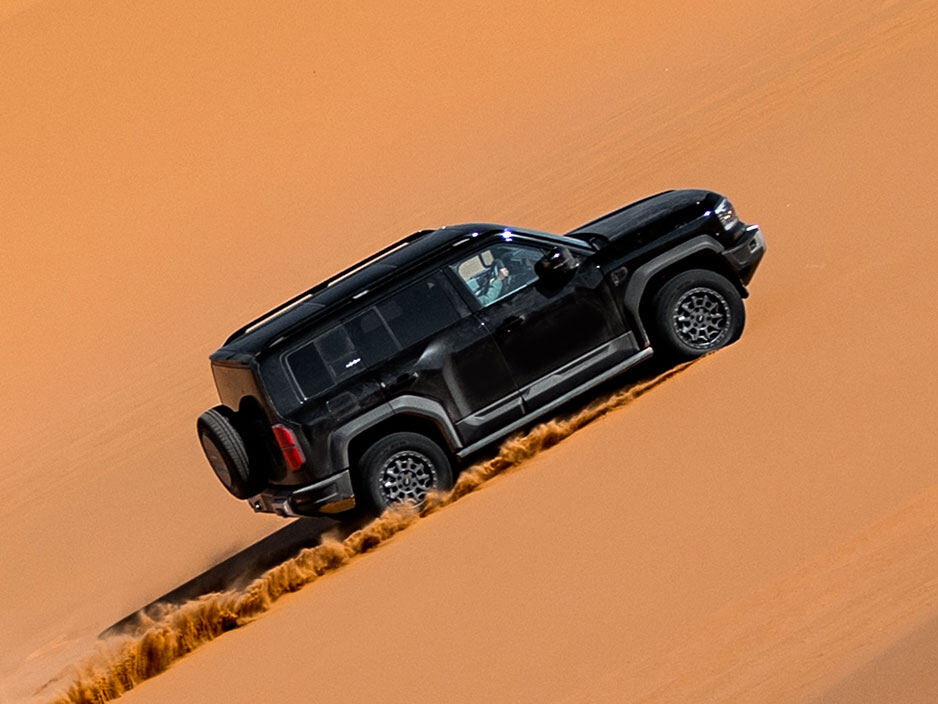
To be honest, there are still many shortcomings when it comes to electrifying off-road vehicles. Batteries are vulnerable to impact, charging is inconvenient, and there are concerns about whether the suspension can withstand continuous shocks—these are all major pain points. However, after experiencing the “Yun Nian-P Ultra” version of the Fangchengbao Bao 8 Flash Charge Edition at the BYD factory, I found that not only can it extricate itself from a stuck situation without assistance, but it can even drive on three wheels. This truly gave me a new perspective on hard-core off-road vehicles powered by new energy. Let’s take a quick look at the vehicle. The Bao 8 Flash Charge Edition hasn’t changed much in appearance; it still retains its boxy, rugged style, with the addition of a two-tone body. The interior has been upgraded with North American white ash wood trim and a dual-door refrigerator, while the second row now features manual sunshades and thigh supports. But these aren’t the main focus—the real highlights are the following three: the YunNian-P Ultra hydraulic suspension, the second-generation Blade Battery with Flash Charge, and the DMO+ electric drive platform. The YunNian-P Ultra: Practical Functionality, Not Just a Gimmick The core of this test drive is the newly upgraded “YunNian-P Ultra” all-scenario intelligent hydraulic body control system. According to the manufacturer, it addresses the three major pain points of off-roading: getting stuck, failing to withstand rough terrain, and a bumpy ride. At the off-road test track set up at the BYD factory, we tested each feature one by one. First up was a simulated scenario of getting stuck in sand. Here, the YunNian-P Ultra’s “All-Condition Wheel Lift” feature proved most useful. After becoming stuck in the sand, a single button press lifted all four wheels simultaneously. We then placed a ramp or added some sand into the hole, and once the wheels were lowered, the vehicle easily broke free. No more need for a tow truck—self-rescue without relying on others. Moreover, any of the four wheels can be lifted individually, with a maximum lift height of 300 mm. With this feature, in addition to self-rescue, you can easily change a tire without using a jack. During a live demonstration, a staff member simply pulled out their phone, opened the Fangchengbao app, and tapped the “Lift Wheel” function. In no time, the suspension lifted the flat tire, and the lifting height could be adjusted. The next steps involved loosening the lug nuts, removing the tire, installing the new tire, and tightening the bolts. A professional mechanic timed the process at under 1 minute, while an average person using an electric wrench can typically complete it within 3 minutes. Furthermore, even if there is no spare tire available, the system features a “three-wheel driving” mode that allows the vehicle to drive at low speed on three wheels to the nearest repair shop. While this suite of features may seem novel, it offers significant practical value in real-world scenarios. Furthermore, the “YunNian-P Ultra” features full-scenario height adjustment capabilities, with suspension travel increased from 145 mm in the previous generation to 200 mm. It not only provides wheel lift but also offers full vehicle lift, capable of raising the body an additional 110 mm on steep slopes or rough terrain, with a maximum lifting capacity of 9 tons. Even when encountering obstacles while climbing a slope, lifting the vehicle with this feature significantly increases ground clearance and approach angle, allowing the vehicle to easily clear the obstacle. It’s worth noting that this system also features a camping leveling function. When camping in the wild on uneven ground, a single press of the “Camping Leveling” button automatically adjusts the height of all four wheels, leveling the cabin floor. This makes lying down more comfortable and ensures your picnic won’t be ruined by a tilted pot. On city roads, it also offers an anti-motion sickness mode, reducing brake dive by 20% and significantly improving the pitching sensation during acceleration and deceleration—a definite plus beyond off-road capabilities. DMO+ Platform: Point-and-Shoot Operation, Veteran Off-Roader Performance The Bao 8 Flash Charge Edition adopts the “DMO+” electric off-road platform, debuting with BYD’s full-speed-range road surface perception control technology. In practice, simply select the appropriate terrain mode. Whether on sand, mud, or rock, sensors continuously monitor the traction of each wheel against the ground in real time and automatically distribute torque. This eliminates the common issue with traditional off-road vehicles where “too little throttle leaves you stuck, while too much sends you careening out of control,” significantly lowering the barrier to entry for off-roading beginners. The event also featured dedicated test-drive scenarios, including cross-axle obstacles, gravel roads, and side slopes. While the simulated terrain was highly challenging, the Leopard 8 Flash Charge Edition navigated them with ease thanks to its DMO+ electric drive system and excellent body rigidity. Even after continuous testing, the vehicle showed no signs of abnormalities. Second-Generation Blade Battery + Flash Charge: 5-Minute Boost, Unfazed by Extreme Cold Finally, let’s talk about the battery and charging. The Bao 8 Flash Charge Edition is equipped with a second-generation Blade Battery. The manufacturer claims it can “charge to 70% in 5 minutes and reach full charge in 9 minutes,” meaning a 5-minute charge takes the battery from 10% to 70%, and it’s nearly full in 9 minutes. Even in extremely cold conditions, charging time increases by only 3 minutes. More importantly, there’s safety. The manufacturer conducted extreme tests: while fast-charging, they pierced the battery with a needle and simultaneously short-circuited all four cells—yet the cells didn’t catch fire or emit smoke. Even after a 1,500-joule impact, the battery didn’t catch fire or explode. When off-roading, the biggest fear is scraping the battery on the ground, but the Leopard 8 Flash Charge Edition gives drivers peace of mind in this regard. Summary: Throughout the entire test drive, the “YunNian-P Ultra” impressed with its array of robust features: self-rescue capabilities when stuck, no need for a jack in case of a flat tire,

Drive on Three Wheels, The Fangchengbao Bao 8 Yunnian-P Ultra Experience Read More »

Li L9 Livis (4)

With the launch of the L9 Livis, Li Auto enters the era of embodied intelligence

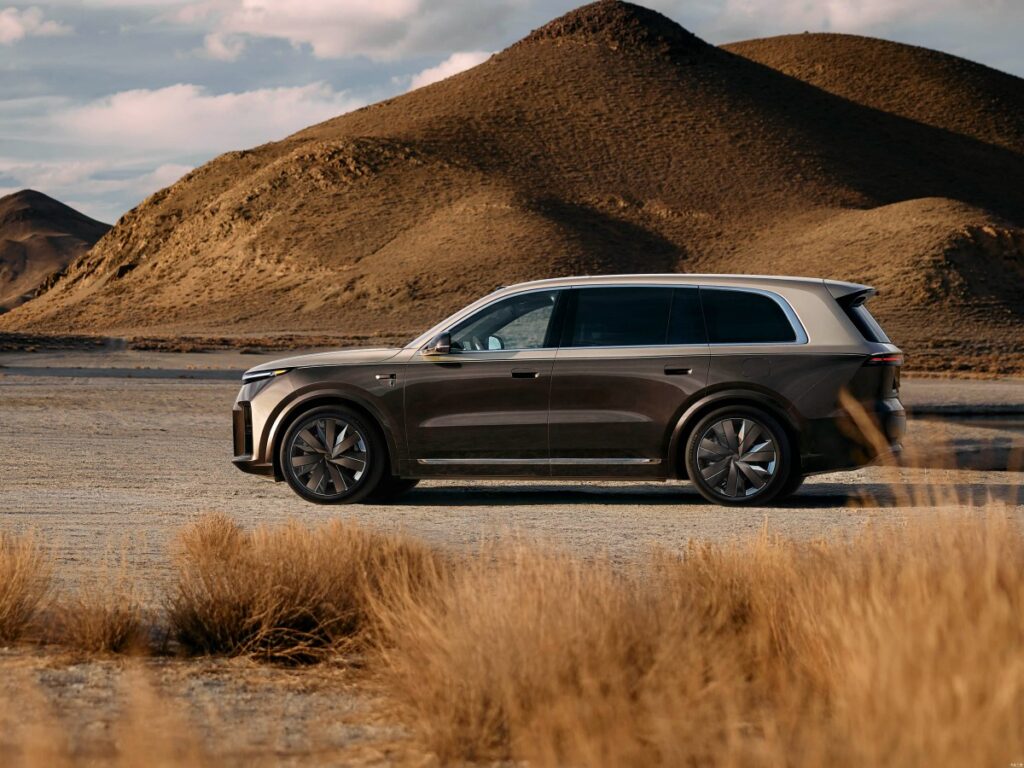
Over the past few years, Li Auto has excelled at packaging complex technologies into concrete family-oriented scenarios. Range-extending technology was designed to alleviate range anxiety for family users, while features like refrigerators, flat-screen TVs, and large sofas were intended to redefine the boundaries of a family SUV’s functionality. Li Auto’s past success has largely stemmed from this ability. However, the launch of the all-new Li Auto L9 Livis signals a new direction. This time, Li Auto is aiming to go beyond simply “upgrading its flagship family SUV.” As Li Xiang recently articulated in his discussion of embodied intelligence, the all-new Li Auto L9 Livis serves more as a transitional prototype. Li Auto is attempting to extend the product capabilities it has built around family scenarios into the underlying technological and organizational frameworks. If the previous phase of Li Auto addressed the question of “how to build a car that better understands family users,” this time the question has shifted to: Once a car possesses stronger perception, judgment, and action capabilities, how far will the boundaries of an automaker be pushed? Li Xiang refers to this direction as embodied intelligence. He posits that “autonomous driving is the first half of embodied intelligence, while general-purpose humanoid robots are the second half.” This statement may sound like a grand technological assertion, but viewed within the context of Li Auto’s own development trajectory, it actually points to a more practical issue. Li Auto is no longer content with simply creating a single blockbuster model; instead, it aims to build a set of foundational capabilities for the next decade centered around chips, models, operating systems, perception systems, and actuators. For the embodied intelligence industry, humanoid robots are still in their early stages. Before they can enter households and open environments on a large scale, they must overcome multiple hurdles related to cost, reliability, generalization capabilities, and safety. The automotive industry, however, is already a mature, trillion-dollar sector. Therefore, breakthroughs in autonomous driving are likely to serve as a testing ground for the scaled deployment of embodied intelligence. The all-new Li L9 is the first concrete manifestation of this strategic shift. It also marks the first time Li Auto has integrated its self-developed chips, perception models, the VLA driver model, by-wire chassis, active suspension, and operating system into a single product framework. It remains a family SUV and must still face direct sales competition in the high-end new energy vehicle market. But behind the product, Li Auto is undergoing a deeper transformation—shifting from an automaker skilled at defining family vehicle needs to a technology company striving to master the foundational capabilities of “intelligentizing the physical world.” Why Is Li Auto Talking About “Embodied Intelligence”? To understand Li Auto’s embodied intelligence strategy, it may be helpful to start with the industry logic. Over the past decade, AI has primarily transformed the digital world. Text, images, code, search, and knowledge management have all been reshaped by large language models. However, changes in the physical world have been relatively slow. Interactions with the environment in people’s daily lives still rely on humans to carry out. The automobile is one of the key gateways for AI to enter the physical world. Compared to humanoid robots, cars possess a more mature industrial chain, clearer use cases, and a larger-scale data ecosystem. They are inherently “embodied”: equipped with sensors to perceive the environment, a computing platform to process information, a control system to execute actions, and an operating system to coordinate all modules. In this sense, a car with advanced autonomous driving capabilities is, in itself, a product of embodied intelligence. Li Xiang has already broken down the development of embodied intelligence into a relatively clear industrial roadmap: the first half is autonomous vehicles, and the second half is general-purpose humanoid robots. In the first half—autonomous vehicles—Li Xiang divides the journey into three stages: 2018 to 2023 is the L2 driver-assistance stage; 2023 to 2028 is the L3 autonomous driving stage; 2028 to 2033 is the L4 autonomous driving stage. In the second half, general-purpose humanoid robots will enter three new stages: from 2030 to 2035, they will possess generalization capabilities equivalent to a 6-year-old child; from 2035 to 2040, they will reach the level of a 12-year-old; and from 2040 until the realization of AGI, they will possess generalization capabilities approaching those of an 18-year-old adult. According to Ideal’s own technological classification, the L3 stage from 2023 to 2028 corresponds to 2D ViT perception, pre-trained models, end-to-end control, and computing power of approximately 2,000 TOPS; whereas the L4 stage from 2028 to 2033 will further evolve toward 3D ViT perception, stable pre-trained models, a fully autonomous control system, and computing power approaching 10,000 TOPS. From this perspective, the perception, models, chips, operating systems, and control capabilities accumulated in the first half of this journey are likely to become the foundational capabilities for robots in the second half. Li Auto views both autonomous vehicles and general-purpose humanoid robots as core forms of embodied intelligence products, and anticipates a high degree of overlap between future L4 autonomous driving users and general-purpose humanoid robot users. Therefore, what truly merits attention about Li Auto this time is not merely that it has “developed its own chips” or “created a by-wire chassis,” but rather that these technical capabilities have already partially surpassed the basic requirements of the current stage, representing Li Auto’s redesign of its future growth trajectory. Organizational Capabilities Adjustments Behind the Strategy If viewed solely through the lens of products and technology, Li Auto’s strategic moves could easily be interpreted as “stepping up AI R&D.” However, judging from a recent conversation between Li Xiang and Luo Yonghao, Li Auto’s deeper transformation lies in using AI to restructure its organization and production processes. During the conversation, Li Xiang repeatedly mentioned that the most important task over the past 200-plus days has been learning about AI. He not only uses AI tools himself but also encourages employees to adopt tools like Claude Code and OpenClaw,

With the launch of the L9 Livis, Li Auto enters the era of embodied intelligence Read More »

Xpeng GX (10)

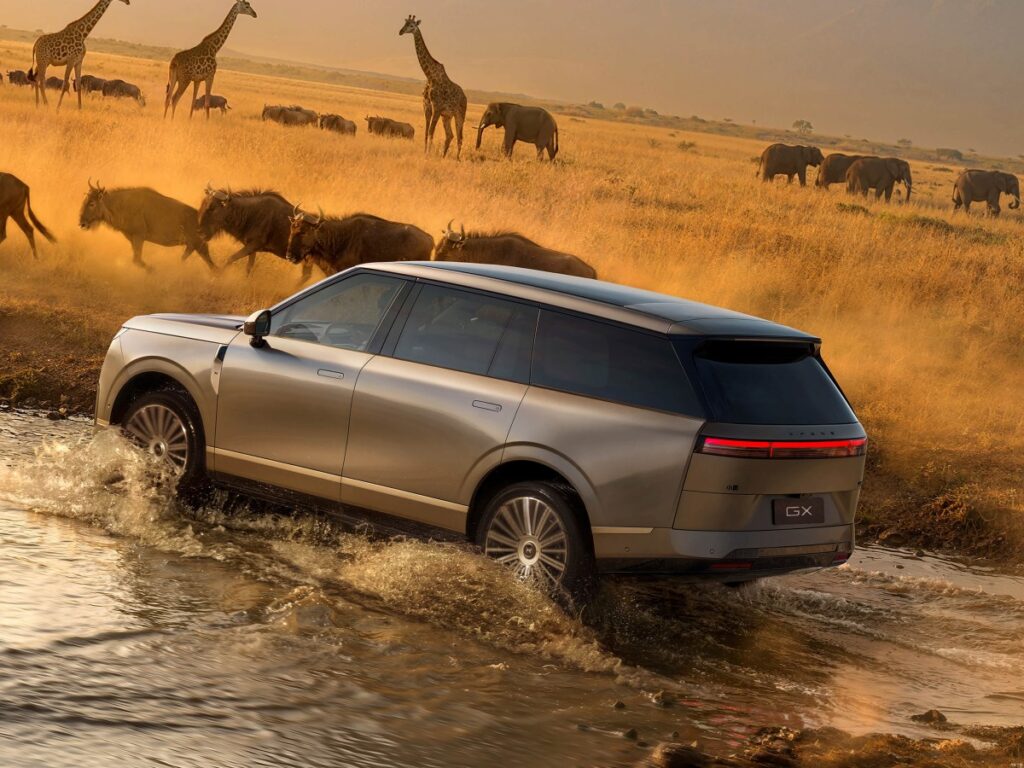
Robotaxi Prototype – Xpeng GX Now Available for a Limited Time Starting at ¥269,800($39700)

On May 20, the Xpeng GX officially launched. The new model is available in both all-electric and range-extended versions, with a total of eight trim levels. The official MSRP ranges from ¥279,800($41100) to ¥359,800($52900), bringing the discounted price range to ¥269,800($39700)–¥349,800($51400). As Xpeng’s first full-size flagship SUV, this model marks the company’s entry into the “large SUV” segment. However, the Xpeng GX is priced significantly lower than competitors such as the NIO ES8 and Zeekr 9X. He Xiaopeng, Chairman of Xpeng Group, admitted frankly, “This pricing was indeed very difficult.” After refining pricing proposals through multiple rounds and facing pressure from R&D and manufacturing costs, the final decision was made: as a car built for friends, it should demonstrate the utmost sincerity. It is worth noting that one of Xpeng Motors’ new initiatives for 2026 is the Robotaxi, and this new chapter is unfolding based on the Xpeng GX. According to the company, the Xpeng GX is a technological masterpiece built for the L4 era. For individual consumers, the true value lies in the “Robo,” not the “taxi.” This highly tech-forward Xpeng flagship does not merely offer users a “business model”; rather, it redefines the fundamental logic of the automobile through its Robotaxi capabilities. Embedding Intelligence into Every Corner of the Vehicle As the vehicle platform for Xpeng’s Robotaxi, the Xpeng GX is built on the SEPA 3.0 architecture and designed for the L4 era. As China’s first fully in-house developed, factory-installed, mass-produced Robotaxi prototype, the Xpeng GX is equipped with Xpeng’s most cutting-edge intelligent driving technology. According to reports, the vehicle features up to 3,000 TOPS (in the top-spec model)—the industry’s highest effective intelligent driving computing power—providing the computational foundation for processing massive amounts of data required for full-scenario intelligent driving. Xpeng’s second-generation VLA serves as the vehicle’s algorithmic core, supporting capabilities such as parking in highway service areas and roaming within campuses. Furthermore, when combined with the second-generation VLM, the Xpeng GX enables voice-controlled driving, including turning, accelerating, and even searching for destinations. These groundbreaking features stem from Xpeng’s fundamental reimagining of automotive architecture. For instance, the Xpeng GX is equipped with a native by-wire chassis designed for the era of physical AI, integrating the X-VMC Intelligent Fusion System, by-wire hydraulic braking, by-wire front-wheel steering, dual-chamber hydraulic braking, an intelligent all-wheel-drive system, and by-wire rear-wheel steering. This approach comprehensively redefines the handling experience of large vehicles and significantly improves the communication efficiency of in-vehicle commands. More importantly, the Xpeng GX has taken safety to new heights. The X-VMC Intelligent Fusion System enables the Xpeng GX to achieve the industry’s highest AEB braking speed of 150 km/h and the highest AES evasion speed of 130 km/h in scenarios such as polished ice surfaces, snow and ice stability control, tire blowout stability in curves, and dynamic driving. It also supports AES functionality on icy, wet, and low-traction surfaces, proactively anticipating and avoiding various driving hazards. In addition, the Xpeng GX introduces a key feature: the Driver Disability Assistance System. In highway autonomous driving scenarios, it can accurately detect driver incapacitation and automatically execute a full sequence of operations, including activating hazard lights, performing intermittent braking to wake the driver, smoothly changing lanes, and locating an emergency area. Notably, the Xpeng GX incorporates extensive safety redundancies across six core systems: steer-by-wire, braking, propulsion, communications, power supply, and unlocking. It shares aerospace-grade safety redundancy technology with flying cars, eliminating the risk of vehicle loss of control in all scenarios. Another Contender Joins the Full-Size SUV Market Setting aside its advanced autonomous driving technology, the Xpeng GX is also an outstanding product in the era of full-size SUVs. With its imposing full-size dimensions of 5,265 mm × 1,999 mm × 1,800 mm and an ultra-long wheelbase of 3,115 mm, the Xpeng GX stands out as a leader among full-size SUVs. The benefits of its full-size dimensions lie in the exceptional expandability of its interior space. According to the manufacturer, the first and second rows offer space rivaling that of ultra-luxury D-segment sedans, while the third row matches the spaciousness of top-tier MPVs. It is also the only model in its class to feature electric 0-180° reclining third-row seats that can fully recline to a flat position. Additionally, the Xpeng GX is equipped with two zero-gravity seats, further enhancing its luxurious seating configuration. Notably, the Xpeng GX is the world’s only three-row, six-seat SUV equipped with electric three-fold seats. The third row supports independent stowage for both seats, and the Xpeng GX can flexibly switch between 4-, 5-, and 6-seat configurations based on travel needs. The vehicle is further equipped with 62 storage compartments, meeting all-scenario storage demands for family outings. Furthermore, in the trend of bringing home into the car, the Xpeng GX doesn’t just follow the crowd—it leads with superior features. Take the refrigerator, for example: the Xpeng GX is equipped with an AI-powered, germ-free, air-cooled, dual-door, dual-temperature-zone in-car refrigerator. It is the industry’s first in-car refrigerator to utilize PST pulse sterilization technology, achieving a 99.99% germ elimination rate. Combined with built-in activated carbon, it effectively prevents food spoilage and odor transfer. The independent dual-temperature zone design is also an industry first, with a temperature range of -6°C to 50°C that accommodates both refrigeration and heating. Its 12.75-liter capacity is notably spacious; by comparison, the Li Auto L9’s in-car refrigerator has a capacity of just 10 liters. In addition, the Xpeng GX features the world’s first AI-dimming privacy glass, covering all windows in the second and third rows with zone-specific adjustment capabilities. It is equipped with the Quiet Sensation Gentle Air Central Air Conditioning 2.0, featuring the newly added Forest Breeze AI air conditioning system, which boasts the largest overhead surround air vents in its class. Furthermore, the Lingjing AI Sound System Max, paired with a 21.4-inch 3K high-definition eye-protection display, has transcended the scope of a conventional “TV.” In terms of audio, the vehicle features 33 Hi-Fi-grade speakers throughout, delivering an industry-first “AI Immersive Dual Surround” sound experience; the infotainment

Robotaxi Prototype – Xpeng GX Now Available for a Limited Time Starting at ¥269,800($39700) Read More »

Fangchengbao Bao 5 (1)

Fangchengbao Bao 8 and Bao 5 Flash Charge Edition Launch – Can be driven on three wheels

On May 13, the BYD Fangchengbao Bao 8 Flash Charge Edition and Bao 5 Yunnie Flash Charge Edition officially launched. They are the first models to feature the BYD Yunnie-P Ultra, the world’s first “all-scenario intelligent hydraulic body control system,” pioneering a new category of high-end new-energy off-road vehicles and delivering a new off-road experience. The Bao 8 Flash Charge Edition is priced at ¥419,800($61700) and is available in five-seat and seven-seat configurations; a six-seat version is available for an additional $1200. Three optional packages are available: 21-inch wheels, a towing hitch, and the Lingyuan BYD Intelligent In-Car Drone System, which can be added to the five-seat version for just $2500. The Leopard 5 starts at ¥259,800($38200), with the flagship Leopard 5 Yunnian Flash Charge Edition priced at ¥305,800($45000), featuring the “Eye of the Sky B” Intelligent Driving Assistance System as standard equipment; Optional features include 20-inch wheels, a tow hitch, and an electronic front-axle differential lock, as well as the Lingyuan BYD Intelligent In-Car Drone System, available for an additional $2500; Additionally, the Leopard 5 now offers the 210KM Tian Shen Max Edition, which comes standard with the Eye of the Sky C intelligent driving assistance system (with the Eye of the Sky B available as an option), priced at $38200. As a premium off-road flagship model, the Leopard 8 and Leopard 5 Flash Charge Edition are equipped with four cutting-edge technologies: BYD’s YunNian-P Ultra, the second-generation BYD Blade Battery with Flash Charge technology, the DMO+ electric off-road pioneering platform, and an advanced intelligent driving assistance system. Among these, the all-new YunNian-P Ultra all-scenario intelligent hydraulic body control system achieves “five world-firsts,” “six industry-leading achievements,” enabling the Leopard 8 and Leopard 5 Flash Charge Edition to deliver the three core values of rugged off-roading: “capable of traversing any terrain,” “built to withstand the toughest conditions,” and “stable and secure.” This provides users with an unparalleled driving experience, including 3-minute tire changes, the ability to drive on three wheels, and the capability to lift all four wheels. Five Global Firsts, Six Industry Bests: The Leopard 8 and Leopard 5 Flash Charge Edition Debut the YunNian-P Ultra The Leopard 8 and Leopard 5 Flash Charge Edition are the first to feature the BYD YunNian-P Ultra, the world’s first all-scenario intelligent hydraulic body control system, delivering the three core values of “capable of tackling any terrain,” “built to withstand anything,” and “stable and comfortable.” In terms of “versatility,” YunNian-P Ultra achieves three key capabilities: all-condition wheel-lifting applications, all-scenario height adjustment, and all-terrain posture adaptation. It not only introduces world-first features such as tire changes while suspended, wheel-lifting for off-road rescue, three-wheel driving, and ultra-high lifting capacity, but also delivers a brand-new experience for users—including 3-minute tire changes, the ability to drive on three wheels, and the capability to lift all four wheels; It also sets six industry records: the industry’s highest wheel-lifting height of 300 mm; the industry’s longest single-session wheel-lifting operation duration exceeding 24 hours; the industry’s highest lifting capacity of 9 tons; the industry’s steepest climbable slope of 45 degrees; the industry’s longest body height adjustment travel of 200 mm; and the industry’s highest tracking index of 673. In terms of “durability,” the YunNian-P Ultra has enhanced its resistance to cold, heat, and corrosion, as well as its ultra-high drop resistance and self-cooling capabilities. It features three key characteristics: exceptional environmental adaptability, superior impact resistance, and outstanding heat dissipation, taking vehicle reliability to the next level. In terms of “stable ride,” the YunNian-P Ultra features significantly enhanced damping bandwidth and stiffness bandwidth. Its active pre-aiming system anticipates road conditions to effectively filter out bumps, while the motion sickness prevention mode significantly improves comfort by reducing the effects of acceleration, deceleration, pitching, and vehicle sway. In addition to the YunNian-P Ultra, the Leopard 8 and Leopard 5 Flash Charge Editions are equipped with the DMO+ electric off-road pioneering platform featuring full-speed-range road sensing control technology, the second-generation Blade Battery and flash-charging technology that offer both ultimate safety and rapid convenience, and the industry’s most advanced high-level intelligent driving assistance system. By integrating these four all-around top-tier technologies, the Leopard 8 and Leopard 5 Flash Charge Editions have pioneered an entirely new category of “premium off-road” vehicles. Leopard 8 Flash Charge Edition: The Ultimate Flagship in High-End Off-Road Vehicles As the ultimate flagship in high-end off-road vehicles, the Leopard 8 Flash Charge Edition represents the pinnacle of both extreme performance and luxurious craftsmanship. Equipped with four cutting-edge technologies, it also offers three unique and rare features and two ultimate luxury experiences, redefining the high-end off-road driving experience. In terms of design, the Leopard 8 has won the German Red Dot Product Design Award, hailed as the “Oscar of the design world,” with its top-tier aesthetics receiving international recognition. The Leopard 8 Flash Charge Edition introduces new design elements, featuring a fully upgraded two-tone color scheme for the floating roof. It offers seven exterior colors and three interior color schemes to meet the diverse needs of users. Beyond its stunning aesthetics, the Leopard 8 Flash Charge Edition also delivers top-tier safety assurance for owners. The Leopard 8 is the world’s only vehicle to have consecutively earned triple five-star safety certifications from C-NCAP, C-ICAP, and Australia’s ANCAP. Whether it’s active safety features like driver assistance, infrared night vision, and run-flat stability control, or passive safety elements such as the second-generation Blade Battery, the “Three-Legged Tripod” design, the ladder-frame chassis, and the CTC 2.0 structure—combined with standard 13 airbags and motor-pre-tensioned seatbelts—the Leopard 8 achieves top-tier safety redundancy. As the world’s first rugged off-road vehicle equipped with Huawei’s Qiankun Intelligent Driving system, the Leopard 8 is a flagship domestic model jointly developed by three industry leaders: BYD, Huawei, and DJI. The Flash Charge Edition features upgraded driver-assistance hardware with dual front and rear LiDAR sensors, while the Huawei Qiankun Intelligent Driving system has been updated to version ADS V4.1.5, providing comprehensive coverage of blind spots around the vehicle and significantly enhancing perception accuracy and

Fangchengbao Bao 8 and Bao 5 Flash Charge Edition Launch – Can be driven on three wheels Read More »

Huajing S (13)

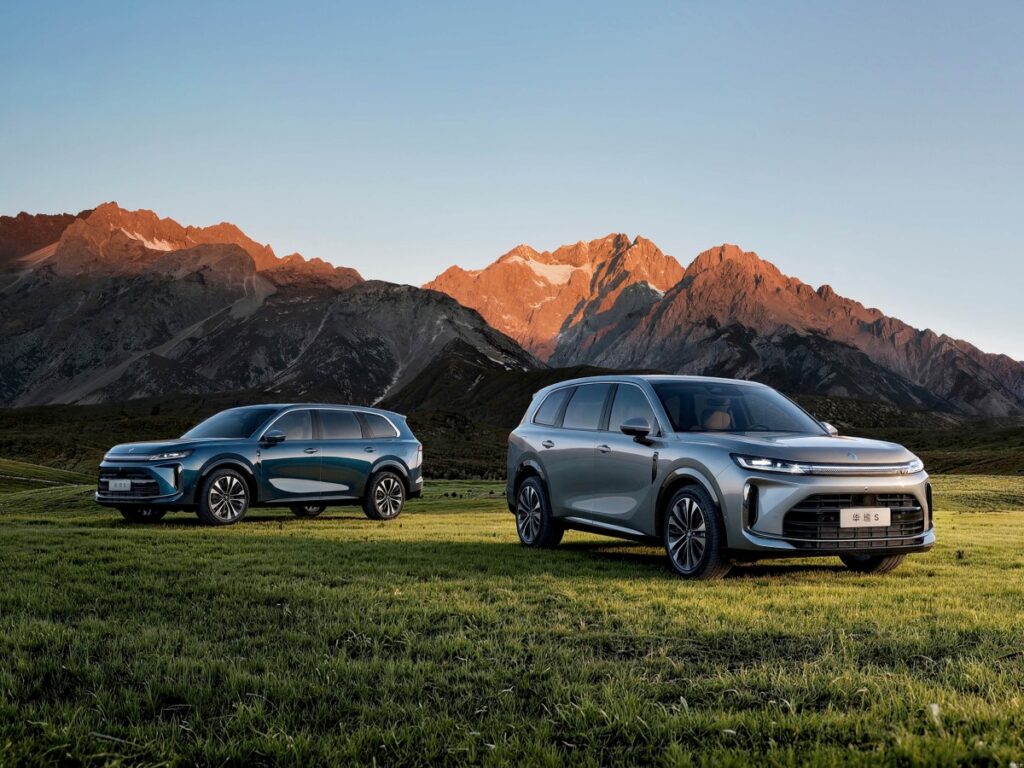
The Huajing S is now officially on sale, starting at ¥149,800($22000)

On May 8, 2026, the “Huajing S,” the first model from Huajing—a new brand under SAIC-GM-Wuling—a large six-seat SUV, officially launched. The new vehicle is available in four trim levels, with official MSRPs ranging from $23500 to $30000, and limited-time prices ranging from $22000 to $28500. Core Positioning: Huawei’s Advanced Intelligent Driving System as Standard in the $20000 Segment The Huajing S’s most distinctive feature is that the entire lineup comes standard with the “Huawei Qiankun Suite,” which includes ADS Pro Enhanced Intelligent Driving, HarmonyOS-powered HarmonySpace 5 cockpit, and the Qiankun Vehicle Cloud. It is the only full-size six-seat SUV in the $20000 price range to come standard with the full suite of Huawei Qiankun technologies. The entire lineup is equipped with Huawei’s Qiankun in-cabin laser vision system, Limera, supporting urban pilot assist, highway pilot assist, and all-scenario intelligent parking. The intelligent driving system utilizes the in-cabin laser vision system Limera. Official data indicates it supports scenarios such as emergency braking at 130 km/h on highways. Future plans include an OTA upgrade to ADS 5 Pro. Additionally, it features the industry’s first full-stack Qiankun Vehicle Cloud digital key and enhanced Sentinel Mode. Safety and Powertrain: High-Strength Steel Body and Plug-in Hybrid System In terms of safety, the body utilizes 2000 MPa hot-formed steel, designed to meet C-NCAP five-star standards, and is equipped with the Shenlian Battery 3.0 featuring CATL cells. The Huajing S is equipped with an intelligent on-demand all-wheel-drive system, delivering a combined power output of 386 kW and peak torque of 620 N·m, with a 0-100 km/h acceleration time of around 5 seconds. The two-wheel-drive version achieves a fuel consumption of just 5.98 L/100 km in pure electric mode, with a combined range exceeding 1,100 km. Paired with 3.5C fast charging, it can go from 10% to 60% charge in just 12 minutes. Space and Dimensions: A Practical Design with an Over 5.2-Meter Wheelbase The new vehicle measures 5,235/1,999/1,800 mm in length, width, and height, respectively, with a wheelbase of 3,105 mm, and features a spacious 2+2+2 six-seat layout. Official data indicates an 87.4% interior space utilization rate. It features a 190mm central aisle and a completely flat floor, with the third row supporting electric adjustment. The trunk features a 423L dual-layer drop-down design, capable of accommodating seven 20-inch suitcases even with all seats in use, prioritizing the cargo needs of multi-member families. A Comfortable Home: Premium Features for Family Comfort The vehicle features acoustic insulation in 46 areas, double-layered soundproof glass in all four doors and the panoramic sunroof, Michelin quiet tires, engine hydraulic bushings, and flexible flywheel technology; it is also equipped with an intelligent motion sickness prevention system. The chassis features a front double-wishbone and rear multi-link independent suspension, equipped with variable-damping shock absorbers. Fully Equipped with Refrigerator, TV, and Large Sofa: A large-capacity fridge with heating and cooling functions, a second-row entertainment screen, and the only dual-table design in its class, complemented by the Yanfeilishi “Dome Sound” audio system, 16.8 million-color ambient lighting, an in-car fragrance diffuser, AQS air quality monitoring, and a negative ion generator. In the $20000-$30000 price range, the Huajing S brings Huawei’s advanced intelligent driving technology, spacious six-seat interior, and long-range plug-in hybrid capabilities to a more accessible price point. It offers outstanding value for money and benefits from Wuling’s existing sales network, ensuring extensive service coverage. Currently, the Huajing S has begun deliveries, primarily targeting families with multiple children and practical users seeking advanced intelligent driving features.

The Huajing S is now officially on sale, starting at ¥149,800($22000) Read More »