Auto Home

New car registrations in Europe rose 7% in April

On May 27, the European Automobile Manufacturers’ Association (ACEA) released the latest data showing that new car registrations in Europe rose 7% year-over-year in April 2026, reaching 1.15 million units, with sales increasing in major markets such as Germany and the United Kingdom. During the same period, driven by rising oil prices and tax incentives in various countries, deliveries of pure electric vehicles surged 38% year-over-year, marking the largest monthly increase so far this year and further fueling the recovery of the European automotive market. Among major markets, the UK recorded 149,247 new car registrations in April, a substantial 24% year-over-year increase; Italy saw an 11.6% rise, Spain an 8.4% increase, and the German market also achieved modest growth of 2.7%. However, the French market saw a slight 0.3% year-over-year decline in new car registrations in April, totaling 138,339 units. Battery electric vehicles (BEVs) are the core driver of market growth. In the UK market, BEV sales reached 39,084 units in April, a 59.1% year-over-year increase, with market share surging to 26.2%, setting a new record high. The French BEV market also performed strongly, with April registrations rising 41.8% year-over-year to 36,219 units, capturing a 26.2% market share and maintaining double-digit growth for several consecutive months. Analysts note that the surge in BEV sales is primarily driven by several factors: rising fuel prices, newly introduced or revised tax incentives and subsidy programs in multiple countries, and the successive launch of more price-competitive new models. Driven by expanding demand for electrification, sales of plug-in hybrids and full hybrids also increased by 21% and 15%, respectively, significantly accelerating the electrification process in the European market. ACEA data also indicates that in the first four months of 2026, the market share of pure electric vehicles in the EU reached 19.7%, up from 15.3% in the same period last year. Hybrid vehicles continued to lead with a 38.2% market share, remaining the preferred powertrain choice for European consumers; meanwhile, the combined market share of gasoline and diesel vehicles further contracted from 38.1% to 30.2%.

New car registrations in Europe rose 7% in April Read More »

Top 10 Best-Selling New Energy SUVs Worldwide in 2025

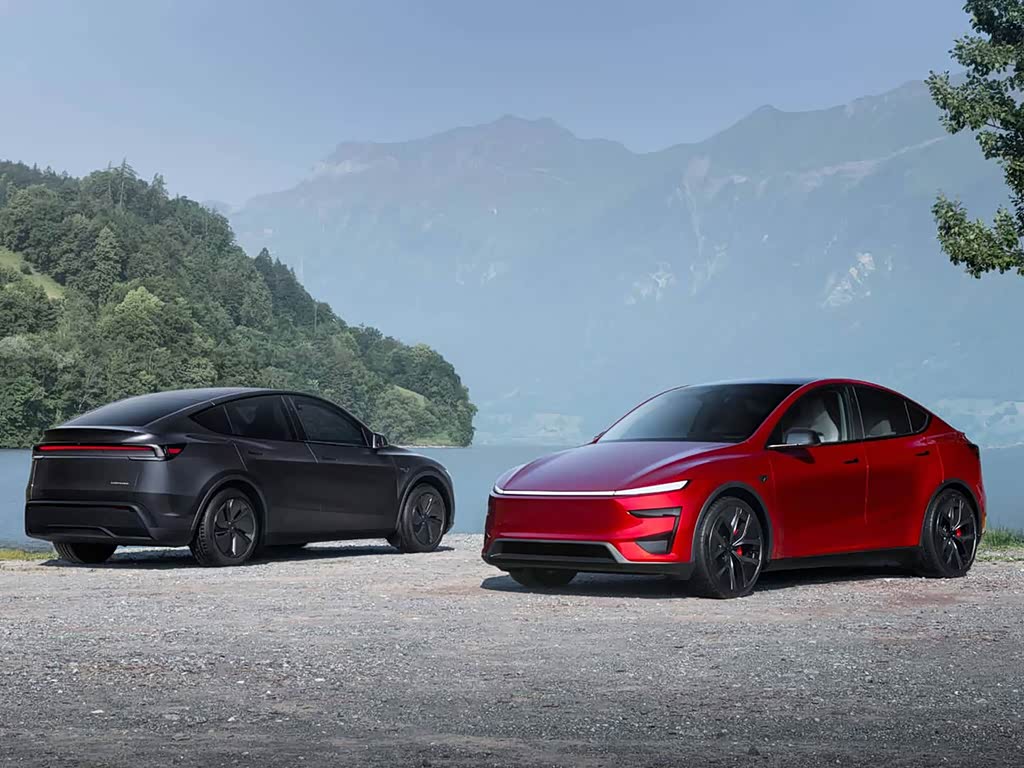
The global new energy vehicle (NEV) market maintained robust growth in 2025, with SUV models emerging as the absolute mainstream favored by consumers worldwide. Benefiting from continuous technological iteration, diversified product layouts, improved charging infrastructure, and declining consumer acceptance barriers, new energy SUVs covering pure electric (BEV) and plug-in hybrid (PHEV) formats have occupied an increasing market share. Based on official sales statistics from CleanTechnica, EV Volumes and global automotive research institutions, this article sorts out the top 10 best-selling new energy SUVs across the globe in 2025, analyzing their sales performance, core strengths and market competitiveness. Tesla Model Y Securing the top spot with an annual global sales volume of 1.069 million units, the Tesla Model Y remains the undisputed king of the global new energy SUV market in 2025, marking its fourth consecutive year as the world’s best-selling electric SUV. It is also the only new energy SUV to break the one-million sales threshold in the year, with sales nearly doubling that of the second-ranked model. Rooted in Tesla’s mature 4680 battery technology and advanced pure electric platform, the Model Y balances long-range performance, intelligent driving capabilities and cost control. Equipped with Tesla’s latest Full Self-Driving (FSD) optional package and over-the-air (OTA) iterative upgrade system, it delivers leading intelligent travel experiences. In addition, the global localized production layout of super factories in China, the United States and Germany effectively shortens delivery cycles and reduces manufacturing costs, making it adaptable to mainstream consumer needs in North America, Europe, Asia and other global markets. Its comprehensive product strength and brand premium firmly consolidate its leading market position. BYD Song PLUS New Energy Ranking second globally, the BYD Song PLUS New Energy achieves an annual sales volume of over 580,000 units, leading the global plug-in hybrid SUV segment and becoming the highest-selling Chinese brand new energy SUV. As BYD’s core mainstream compact SUV model, it offers two power versions: DM-i super hybrid and pure electric. The DM-i hybrid version eliminates range anxiety completely, with a comprehensive cruising range exceeding 1,200 kilometers and ultra-low fuel consumption for daily commuting. The pure electric version focuses on urban green travel, with stable battery life and reliable safety performance. In 2025, the model received a comprehensive upgrade in interior configuration and intelligent cockpit, adopting a larger floating central control screen and optimized human-computer interaction logic. With outstanding cost performance, reliable quality and wide adaptability to diverse road conditions, it dominates the Chinese domestic market and achieves rapid growth in overseas markets such as Southeast Asia, Eastern Europe and the Middle East. BYD Yuan PLUS Claiming the third position, the BYD Yuan PLUS records annual global sales of approximately 520,000 units, ranking first among global small and compact pure electric SUVs. Positioned as a daily household urban SUV, it targets young families and urban commuters, featuring a compact body, flexible handling and energy-saving power performance. Equipped with BYD’s blade battery as standard, it delivers high safety and stable battery life, with a CLTC pure electric range of up to 510 kilometers, fully meeting daily urban travel and short-distance travel needs. The 2025 upgraded version optimizes chassis tuning and noise reduction technology, significantly improving driving comfort. Priced affordably, it has achieved high market penetration in China, and its overseas renamed model “ATTO 3” continues to sell well in Europe, Australia, Southeast Asia and other regions, becoming a key model for BYD’s global market expansion. Volkswagen ID.4 The Volkswagen ID.4 takes the fourth place with annual global sales of about 410,000 units, staging a strong market rebound in 2025. As Volkswagen’s core compact pure electric SUV built on the exclusive MEB pure electric platform, it inherits Volkswagen’s consistent rigorous chassis tuning and reliable mechanical quality. In response to previous user feedback, Volkswagen launched comprehensive software and hardware upgrades for the 2025 model, optimizing vehicle intelligent system fluency and charging efficiency, and greatly improving user experience. It features a simple and atmospheric exterior design, spacious interior space, and excellent safety configuration, fitting the pragmatic consumption needs of European and American family users. With stable sales in the European market and continuous volume release from its North American production base, it has become the best-selling European brand new energy SUV in 2025. Li Auto L7 Ranking fifth worldwide, the Li Auto L7 achieves annual global sales of over 390,000 units, leading the global medium and large luxury plug-in hybrid SUV segment. Positioned for high-end family travel, it adopts an extended-range hybrid architecture, abandoning pure electric range anxiety while retaining the smooth and quiet driving experience of new energy vehicles. The model is equipped with a large three-screen intelligent cockpit and full-scene intelligent driving assistance system, with rich intelligent configurations and excellent human-computer interaction experience. Its ultra-long comprehensive cruising range of over 1,300 kilometers, luxurious interior configuration and superior space performance perfectly meet the needs of medium and large families for long-distance travel and daily commuting. In 2025, it maintained high sales growth in the Chinese high-end market and gradually expanded its influence in overseas high-end new energy markets. AITO M7 The AITO M7 ranks sixth with annual global sales of approximately 365,000 units, achieving a year-on-year sales growth of 97.3% in 2025, making it one of the fastest-growing models in the global top 10. Co-created by Huawei and Seres, this medium-sized new energy SUV integrates Huawei’s leading intelligent technology capabilities. It is equipped with Huawei’s latest HarmonyOS intelligent cockpit and advanced intelligent driving system, supporting full-scene automatic driving in urban and highway scenarios. Available in both pure electric and extended-range versions, it balances performance and practicality. The pure electric version delivers strong power and ultra-low energy consumption, while the extended-range version solves range anxiety for long-distance travel. With outstanding intelligent experience and reliable vehicle quality, it quickly captures the high-end intelligent SUV market and gains increasing recognition among young and tech-savvy consumers. Chevrolet Equinox EV Securing the seventh spot, the Chevrolet Equinox EV achieves annual global sales of about 320,000 units, becoming a star model in the North American

Top 10 Best-Selling New Energy SUVs Worldwide in 2025 Read More »

ZF

ZF Decides to Develop and Manufacture Electric Motors In-House, but Will Cut More Jobs

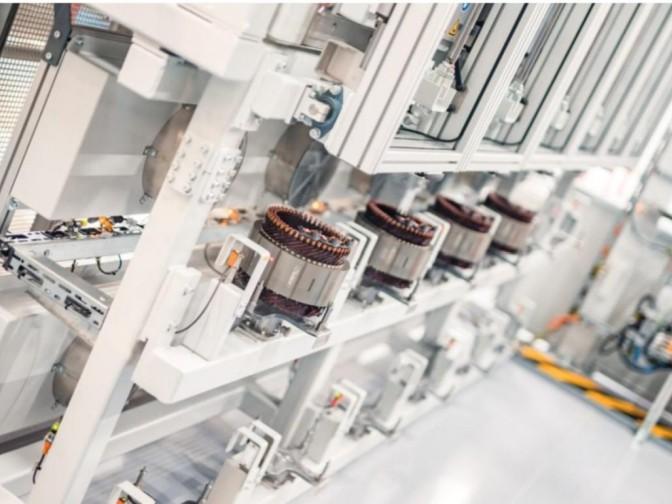
On May 19, German automotive parts giant ZF announced that it will retain its in-house electric motor development and manufacturing operations. However, to maintain market competitiveness, the company will need to cut hundreds more jobs. Previously, European automakers and parts suppliers had invested heavily in new electrification technologies. However, the adoption of electric vehicles in the market has been slower than expected, and industry demand is only now gradually recovering. As early as last October, ZF finalized a comprehensive business restructuring plan, confirming the layoff of 7,600 employees. In this latest move, the company collaborated with employee representatives to evaluate whether to continue in-house production of core electric drive components such as motors and inverters, or to switch to external procurement. Ultimately, ZF decided to retain its internal production lines while confirming the need for further workforce streamlining, stating that it would avoid mandatory layoffs as much as possible. A ZF spokesperson revealed that the layoffs will primarily affect the two major production sites in southern Germany—Schweinfurt and Auerbach. With over 1,000 employees currently working at these two facilities, hundreds of positions will be cut in total.

ZF Decides to Develop and Manufacture Electric Motors In-House, but Will Cut More Jobs Read More »

Bosch Lands Major Contract to Supply Motors to Mercedes-Benz

Bosch Lands Major Contract to Supply Motors to Mercedes-Benz

Bosch, the world’s largest automotive supplier, recently announced that it has secured a major order from Mercedes-Benz. Bosch will produce a large number of electric motors for the Stuttgart-based automaker to supply its next-generation electric drive systems, with the contract covering the entire 2030s. Unlike Bosch’s other customers, this order from Mercedes-Benz does not involve complete electric drive axle systems—that is, products that combine electric motors, power electronics, and transmissions into a fully integrated drive unit. Instead, Mercedes-Benz will procure only the electric motors from Bosch and combine them with drive units developed in-house. Mercedes-Benz has already adopted this approach, for example, in the all-new fully electric CLA, where the rear axle is equipped with the company’s proprietary ATS 2.0 drive unit, while the all-wheel-drive version features an additional electric motor from a supplier on the front axle. For Bosch, this order is of great significance. The company has recently faced pressure to cut jobs and is in urgent need of large-volume orders, particularly in the growing electric vehicle market, rather than in its traditional internal combustion engine business. Markus Heyn, CEO and Chairman of Bosch Mobility, stated: “This new order reaffirms our long-standing partnership with Mercedes-Benz and demonstrates our ability to successfully contribute our expertise to technically demanding projects.” Bosch did not disclose the specific electric motor models Mercedes-Benz will procure, but emphasized that it will supply motors across various power ratings. Bosch highlighted that its motors achieve exceptionally high efficiency of up to 98% while enhancing power density. The key to this advantage lies in its innovative winding technology, which increases power density, reduces weight, and offers greater flexibility in motor design. Additionally, Bosch’s motors are equipped with a special rotor oil-cooling system that optimizes heat dissipation. Another advantage lies in the use of a scalable platform architecture, which allows for easy integration into various axle designs by adjusting the motor’s length to match the required power output. According to Bosch’s product information, its motors can deliver power outputs of up to 500 kilowatts, with available torque of up to 1,000 Newton-meters, and operate within a voltage range of 400 to 850 volts. Bosch emphasizes that it currently provides electric mobility-related technologies and solutions to more than 50 automakers worldwide. By 2026, the company plans to produce over 7 million electric drive-related components. According to Bosch, the company currently produces approximately seven motors per minute globally.

Bosch Lands Major Contract to Supply Motors to Mercedes-Benz Read More »

Stellantis and Dongfeng Group

Stellantis and Dongfeng Group Plan to Establish a Joint Venture in Europe

On May 20, Stellantis Group announced that it had recently signed a non-binding memorandum of understanding with Dongfeng Motor Group Co., Ltd. (hereinafter referred to as “Dongfeng Group”). The two parties plan to further deepen their strategic partnership, building on their existing 34-year collaboration. Under the preliminary plan, the two companies intend to establish a new joint venture in Europe to handle the sales, distribution, manufacturing, procurement, and engineering and R&D of Dongfeng Group’s new energy vehicle models in designated European markets. According to the current proposal, the joint venture will be headquartered in Europe and operated primarily by Stellantis Group, with Stellantis Group and Dongfeng Group holding a 51% to 49% stake in the venture. Specifically, the joint venture will focus on promoting the development of Dongfeng’s premium new energy brand, LTU, in the European market. By leveraging Stellantis’ established channel network and after-sales service system, the venture aims to enhance the brand’s market penetration in the region. Additionally, building on the deep synergy between Dongfeng and China’s new energy vehicle supply chain, the two parties plan to collaborate on joint procurement and engineering R&D. Furthermore, the two parties are exploring the possibility of introducing localized production of Dongfeng’s new energy vehicle models at Stellantis’s plant in Rennes, France, to meet European market requirements for regulatory compliance and “Made in Europe” standards. However, whether this cooperative project ultimately materializes remains contingent on factors such as project profitability, commercial operating conditions, progress in signing relevant agreements, and regulatory approvals. In fact, on the 15th of this month, the two parties announced that they would continue to strengthen the development of their joint venture in China—Dongfeng Peugeot-Citroën Automobile Co., Ltd. (DPCA). According to the plan, starting in 2027, DPCA’s Wuhan plant will begin producing all-new new energy vehicle models under the Peugeot and Jeep brands for sale in global markets. Data shows that since its establishment, DPCA has cumulatively produced over 6.5 million Peugeot and Citroën models, covering global markets.

Stellantis and Dongfeng Group Plan to Establish a Joint Venture in Europe Read More »

Magna Wins Five General Motors 2025 Supplier of the Year Awards

Magna Wins Five General Motors 2025 Supplier of the Year Awards

Aurora, Ontario, Canada, May 21, 2026—Magna has been honored with five General Motors 2025 Supplier of the Year Awards, further solidifying its position as a trusted and high-performing partner across General Motors’ product teams and global projects. Magna was named Supplier of the Year in the following innovation categories: These 2025 awards mark yet another honor in a series of over 40 GM Supplier of the Year awards Magna has received over the past decade, fully demonstrating our consistently strong performance, innovation capabilities, and operational excellence across major product areas and global regions. Eric Wilds, Magna’s Chief Strategy and Commercial Officer, stated: “ “This honor recognizes the strength of our team and our ability to provide diverse solutions to General Motors. Winning awards across all five categories in the Innovation Business segment simultaneously underscores the results achieved through close collaboration from the early stages of projects and open cooperation amid change—which aligns perfectly with General Motors’ long-standing philosophy of partnership. We are proud that our team is helping General Motors create value for end customers.” The awards were determined through a comprehensive evaluation by a global cross-functional team at General Motors, based on criteria including overall annual performance and alignment with GM’s core values and strategic direction. Shilpan Amin, GM’s Senior Vice President and Global Chief Procurement and Supply Chain Officer, said: “The Supplier of the Year awards are a highlight our team looks forward to every year; they stand as a testament to the strong partnerships behind every vehicle. “The contributions of our suppliers throughout the entire product development cycle are the cornerstone of our ability to build world-class vehicles. Outstanding suppliers like Magna actively collaborate with us to advance cutting-edge technologies and deliver on all tasks with quality and efficiency, helping General Motors accelerate its development, enhance market competitiveness, and unlock greater value across the entire supply chain.” 2025 marks the 34th annual General Motors Supplier of the Year Awards. This year, 103 suppliers from 14 countries received this honor for their outstanding performance in safety, innovation, execution, resilience, and customer support.

Magna Wins Five General Motors 2025 Supplier of the Year Awards Read More »

Tesla Model X AND Optimus

End of an Era: Tesla’s Final Model S/X Roll Off Production Lines as Factory Shifts to Humanoid Robot Manufacturing

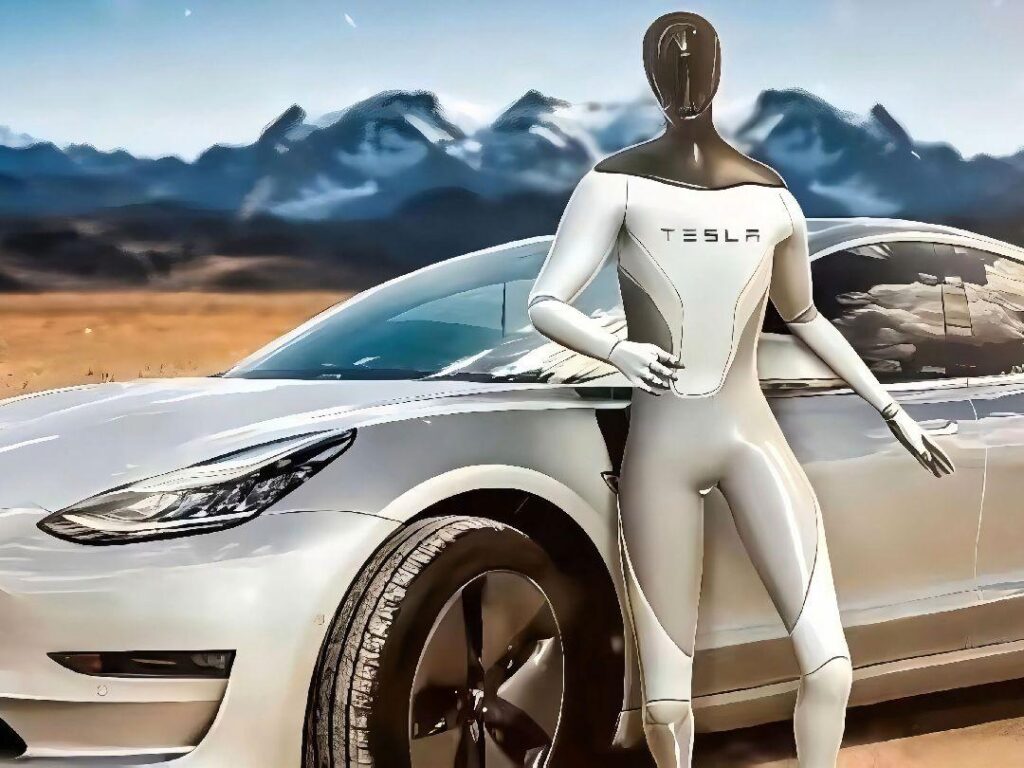
May 21, 2026 marks a historic milestone for the global automotive industry, as the last batch of Tesla Model S and Model X vehicles rolled off the production line at the company’s Fremont Factory in California. These two iconic models, which underpinned Tesla’s rise and set the global benchmark for premium all-electric vehicles, have officially ceased production. In a transformative strategic move, the original production lines will be fully dismantled and reconstructed within four months to exclusively manufacture Tesla’s Optimus humanoid robots, with a planned annual production capacity of one million units. This pivotal shift heralds Tesla’s evolution from an automaker to a physical-world AI company, bringing Elon Musk’s trillion-dollar humanoid robot empire vision to fruition. The Model S and Model X stand as pioneering legends in the history of electric mobility. Launched in 2012, the Model S revolutionized the automotive landscape with a 426-kilometer maximum range and exceptional acceleration performance, dismantling the long-standing stereotype that electric vehicles were merely slow, commuter-only machines. It first proved that electric cars could match and even outperform luxury gasoline-powered vehicles in every key dimension. The Model X followed in 2015, redefining the standards of premium electric SUVs with its signature falcon-wing doors, versatile seven-seat layout, and industry-leading safety features. Boasting a 14-year production run for the Model S and an 11-year tenure for the Model X, the two vehicles have not only served as the cornerstone of Tesla’s business growth but also propelled electric mobility from a niche luxury novelty to a mainstream daily necessity. With cumulative global sales exceeding 3 million units, they have spearheaded the worldwide wave of automotive electrification. The discontinuation of the Model S and Model X stems from Tesla’s proactive strategic adjustment, rather than sluggish market performance. Industry data shows that Tesla delivered 1.6 million Model 3 and Model Y units globally in 2025, while sales of its high-end Model S and Model X amounted to merely 50,000 units, reflecting the brand’s long-term market focus on the mass consumer segment. As Elon Musk stated, “The Model S and X are labor-of-love creations, but the future belongs to robotics and AI.” Phasing out these two flagship models allows Tesla to concentrate resources on high-potential tracks, including humanoid robotics, autonomous driving, and self-developed AI chips. As the cradle of Tesla’s automotive manufacturing, the transformation of the Fremont Factory carries far-reaching significance. Its original Model S/X production lines will be completely renovated within four months to build dedicated production systems for Optimus humanoid robots, with a phase-one annual capacity of one million units. Meanwhile, Tesla’s Texas factory is preparing for the construction of second-generation production lines, targeting an annual output capacity of up to 10 million units. Built on Tesla’s mature battery, motor, and AI technologies inherited from its electric vehicles, the Optimus humanoid robot is essentially an intelligent mobile agent with limbs. It is designed to replace humans in repetitive factory operations, household service tasks, and high-risk work scenarios. Musk predicts that the humanoid robot market will eventually surpass the scale of the global automotive industry, with the sector’s total valuation reaching $25 trillion by 2050. Tesla’s strategic transformation represents a fundamental leap from “building wheels” to “creating intelligent agents”. Going forward, the company’s automotive business will focus on consolidating its mass-market presence with the Model 3 and Model Y, while expanding segmented tracks: the Cybertruck will serve as an autonomous driving freight platform, and the Cybercab will anchor unmanned travel services. Humanoid robots will become Tesla’s new core growth engine, leveraging its industry-leading AI algorithms, self-developed chips, and mature large-scale manufacturing capabilities to seize the blue-ocean global humanoid robot market. Industry analysts regard Tesla’s discontinuation of the Model S/X and shift to robot production as a classic case of technological dimensionality reduction. While traditional automakers remain trapped in fierce internal competition over fuel vehicles and ordinary electric cars, Tesla has broken free from the confines of the automotive industry to lay out the next generation of intelligent end devices—humanoid robots. This forward-looking strategic vision constitutes Tesla’s core competitive edge and keeps it at the forefront of global technological innovation. The sweeping transformation has sparked heated discussions across online platforms, with netizens remarking that a new era is dawning for Tesla. “The Model S and X hold nostalgic value for a generation. It’s a pity to see them discontinued, but Tesla’s pivot to robotics is absolutely groundbreaking.” “Elon Musk never plays by the rules. Shifting focus from car manufacturing to robotics shows unparalleled strategic vision.” “An annual capacity of one million units means Tesla is poised to dominate the humanoid robot market.” “Cars are just a transitional product. AI-powered humanoid robots represent the true future, and Tesla sees the bigger picture.” For consumers, the retirement of the Model S and X marks the end of a glorious automotive era. Yet Tesla’s bold transformation is set to deliver more disruptive technological products. In the future, as Optimus robots penetrate factories and households, reshaping human production and lifestyles, the world will come to recognize that Tesla has never been a mere automaker, but a relentless tech giant dedicated to subverting industries and empowering innovation.

End of an Era: Tesla’s Final Model S/X Roll Off Production Lines as Factory Shifts to Humanoid Robot Manufacturing Read More »

Volkswagen ID.UNYX 06 (2)

Starting at ¥109,900/¥134,900, the Volkswagen ID.UNYX 07/06 officially launched

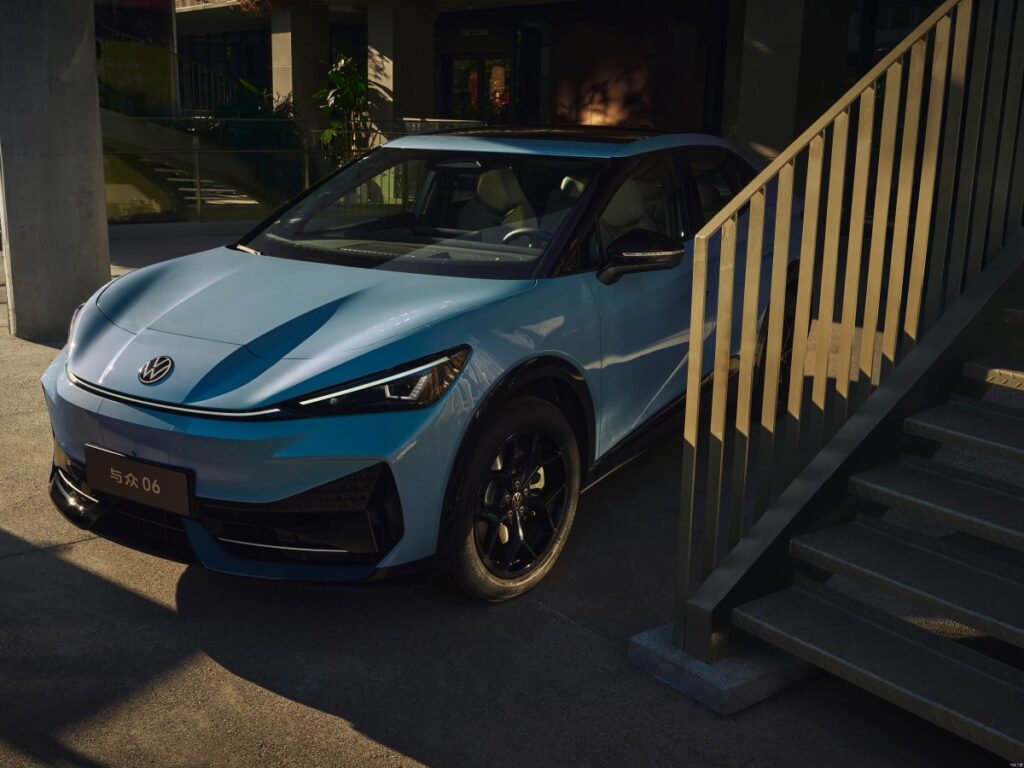
On May 23, the Volkswagen ID.Unyx 07 and Volkswagen ID.Unyx 06 officially went on sale. The Volkswagen ID.Unyx 07 is available in two versions, Pure and Pure SE, with limited-time promotional prices of ¥109,900($16200) and ¥119,900($17600), respectively. The Volkswagen ID.Unyx 06 is also available in two versions, Pure and Pure SE, with limited-time promotional prices of ¥134,900($19900) and ¥144,900($21300), respectively. One sedan, one SUV—let’s take a look at their key highlights: Volkswagen ID.Unyx 07 The Volkswagen ID.Unyx 07 is a coupe, so its exterior features dynamic design elements. The entire lineup comes standard with 19-inch sport wheels—the largest in its class—which is one of the hallmarks of this sporty model. It is also equipped with self-sealing tires that can automatically repair punctures up to 5mm in diameter. The wraparound digital cockpit incorporates gold accents—not only a delightful surprise for users but also a design choice that enhances the cabin’s premium ambiance. The trunk offers an expansive capacity of 711 liters in standard configuration, expanding to 1,580 liters when the rear seats are folded down. It comes standard with a “four-screen linked” smart interaction matrix—the only one in its class—comprising a 10.25-inch HD instrument cluster, a 15-inch floating central control screen, a 12-inch 2K passenger entertainment screen, and a 27-inch AR-HUD, ensuring the driver and front passenger remain undisturbed. The AI voice assistant supports four-zone voice recognition and semantic reasoning, and with personalized avatar customization, it delivers a unique and engaging smart experience. The new model offers two intelligent driving systems: a pure vision-based system, which comes standard with six high-definition cameras, one millimeter-wave radar, and 12 ultrasonic radars, and supports Highway NOA (Navigation-based Autonomous Driving); and a LiDAR-based system, which builds upon the vision-based system to also support City NOA (expected to be available by the end of 2026). In terms of powertrain, the Volkswagen ID.Unyx 07 is equipped with a single motor delivering a maximum power of 170 kW, paired with a 60 kWh lithium iron phosphate battery pack. It achieves a CLTC-rated range of 558 km and has a top speed of 160 km/h. Volkswagen ID.Unyx 06 The Volkswagen ID.Unyx 06 is a coupe SUV, with handling being one of its standout features. With the segment’s smallest turning radius of 4.7 meters, it gives an SUV the agility of a subcompact car. The smart cockpit has been completely revamped, featuring an AI assistant powered by a new large language model and a standard 27-inch AR HUD. These elements integrate with a 10.25-inch digital instrument cluster, a 15-inch central touchscreen, and a 12-inch passenger-side entertainment screen to form a “four-screen system.” This endows the vehicle with impressive smart capabilities. New practical features include V2L power sharing, a 9-speaker audio system, 50W front-row wireless fast charging, Sentinel Mode, a DVR dashcam, and a 360° transparent underbody view. The new model offers two intelligent driving systems: one is a pure vision-based system, which comes standard with 6 high-definition cameras, 1 millimeter-wave radar, and 12 ultrasonic radars, supporting highway NOA (Navigation-based Autonomous Driving); the other is a LiDAR-based system, which, in addition to the features of the vision-based system, will also support urban NOA (expected to be delivered by the end of 2026). In terms of powertrain, the new model is equipped with a 170kW rear-mounted electric motor, with maximum torque increased to 350Nm. The battery capacity has been upgraded to 60kWh, delivering a CLTC range of 528 kilometers.

Starting at ¥109,900/¥134,900, the Volkswagen ID.UNYX 07/06 officially launched Read More »

Xiaomi SU7 (3)

Xiaomi SU7 vs Tesla Model 3: Which Electric Sedan Dominates in 2026?

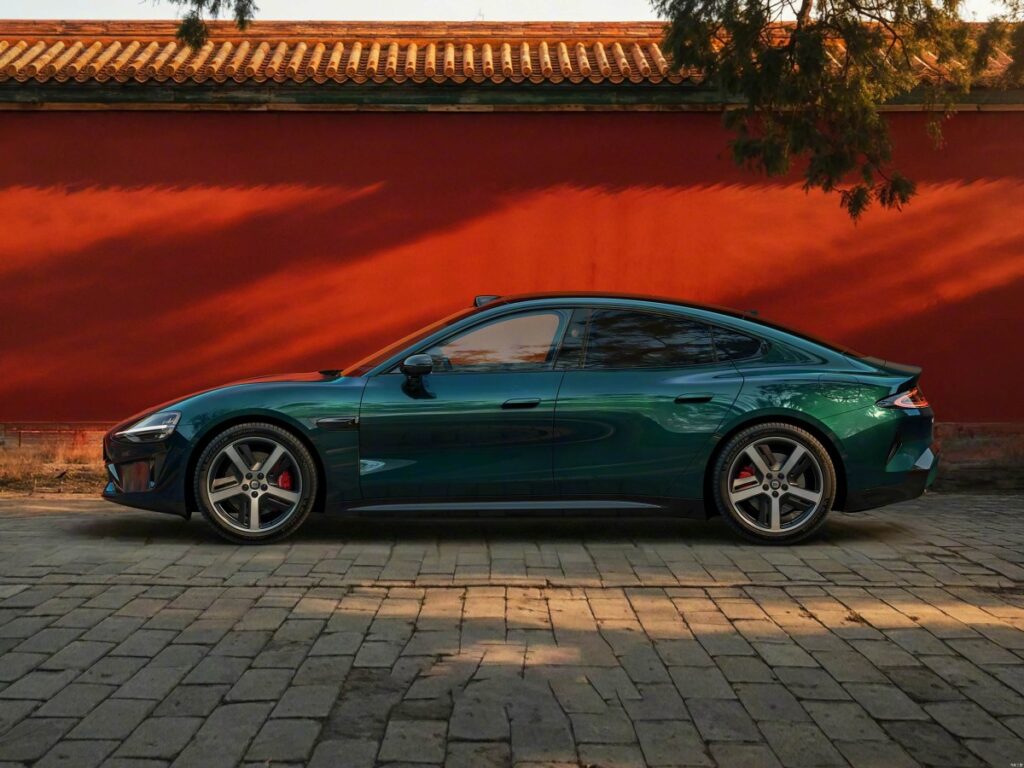
The compact-to-midsize electric sedan segment has long been ruled by one undisputed king: the Tesla Model 3. For years, it has set the benchmark for EV efficiency, smart driving technology, and global mass-market appeal. However, a new powerhouse has arrived to challenge Tesla’s throne. The Xiaomi SU7, the debut electric vehicle from tech giant Xiaomi, has exploded onto the scene with eye-catching specs, premium build quality, and a tech-integrated experience that directly targets Tesla’s core audience. If you’re shopping for a stylish, practical, and high-performance electric sedan in the $30,000–$40,000 price range, these two models are undoubtedly your top contenders. Today, we’re breaking down every key dimension — performance, range, charging speed, intelligence, interior experience, and value — to help you decide: Is the new Xiaomi SU7 a better pick than the timeless Tesla Model 3 in 2026? Positioning & Exterior Design: Minimalism vs. Sporty Sophistication The design philosophies of the Model 3 and SU7 reflect their brand DNA perfectly. The Tesla Model 3 sticks firmly to Tesla’s iconicultra-minimalist electric design. With no redundant body lines, a closed-off front grille, sleek LED headlights, and a smooth fastback silhouette, its look is timeless, aerodynamically optimized, and instantly recognizable worldwide. It’s a design that prioritizes function over flair, catering to users who prefer low-key, durable aesthetics. In contrast, the Xiaomi SU7 adopts a more aggressive, premium sporty design. As a C-class mid-large sedan (one level above the Model 3’s B-class positioning), it features a longer wheelbase, a sculpted body, hidden door handles, and a sleek fastback roofline that delivers a more luxurious and dynamic visual impact. Its design balances sportiness and elegance, appealing heavily to younger buyers who want a car that stands out on the road without sacrificing practicality. Aerodynamically, both models excel: the Model 3 boasts a proven low drag coefficient, while the SU7’s optimized body structure achieves even better airflow efficiency, laying a solid foundation for its superior battery range. Power & Driving Performance: SU7 Takes the Lead in Raw Speed Performance is where the Xiaomi SU7 first shocks users, as it outperforms the standard Tesla Model 3 in almost every core power metric. The rear-wheel-drive Tesla Model 3 delivers 264 horsepower, a top speed of 200km/h, and a 0–100km/h acceleration time of 6.1 seconds — more than enough power for daily commutes and highway cruising. The Xiaomi SU7’s standard version leaves the Model 3 behind in raw performance. Equipped with the V6s Plus motor with a maximum rotation speed of 22,000rpm, it outputs 320 horsepower, hits a top speed of 240km/h, and sprints from 0–100km/h in just 5.28 seconds. For speed enthusiasts, the SU7 Max variant pushes acceleration to an astonishing 3.08 seconds, a figure that rivals luxury performance EVs far above its price range. In terms of driving tuning, Tesla retains its signature tight, pure sporty handling with stiff suspension and precise steering feedback, ideal for drivers who love immersive control. The Xiaomi SU7 strikes a smarter balance: its suspension filters out most road bumps for a comfortable daily ride, while retaining sharp response for spirited driving, making it more family-friendly without compromising sporty fun. Range & Charging: SU7 Wins Endurance, Tesla Dominates Charging Network Battery range and charging convenience are the two most critical concerns for EV buyers, and this round brings a clear differentiation between the two models. The standard Tesla Model 3 offers a CLTC range of 606km, while the long-range version reaches 830km. Tesla’s biggest advantage lies in its global supercharger network. With widespread, mature supercharger stations worldwide, the peak charging power of 250kW enables ultra-fast charging, and the system boasts exceptional stability and compatibility — a huge plus for long-distance travel. The Xiaomi SU7 takes the lead in pure range capability. Its standard version delivers a 700km CLTC range, and the SU7 Pro version tops out at 902km, effectively eliminating daily range anxiety. The model supports an 800V high-voltage platform (higher than the Model 3’s 400V platform in base versions), bringing theoretical faster charging potential. In actual use, the SU7 completes 10%–80% fast charging in approximately 30 minutes. The only shortcoming for Xiaomi is its charging network. As a new EV player, its supercharger coverage is far less extensive than Tesla’s, and long-distance travel during peak holidays may bring longer queuing times. For daily urban commutes, however, the SU7’s superior range fully meets weekly charging needs. Smart Driving & Cockpit: Tesla’s Algorithm vs. Xiaomi’s Full-Scene Ecology Smart technology is the core competitiveness of modern EVs, and the two brands take completely different technical routes. Tesla’s strength lies in its autonomous driving algorithm accumulation. Its standard Autopilot and optional FSD (Full Self-Driving) are the most mature mass-produced smart driving systems globally. With massive road data accumulated over years, Tesla delivers stable, reliable assisted driving performance with smooth logic for lane changes, cruise control, and obstacle avoidance. The downside is its minimalist cockpit: a single central screen cancels almost all physical buttons, which takes time for new users to adapt to, and its in-car entertainment and ecology functions are relatively simple. The Xiaomi SU7 comes with full-stack smart hardware as standard, including lidar and high-precision mapping modules that most base Model 3 versions lack. Its smart driving system performs excellently in urban complex road conditions, with precise identification of traffic lights, pedestrians, and non-motor vehicles, and smoother automatic parking performance. In terms of the cockpit experience, Xiaomi’s ecological advantage is overwhelming. Seamlessly connected with Xiaomi’s mobile phones, tablets, and smart home devices, the SU7 supports one-screen multi-tasking, ultra-smooth screen interaction, and rich third-party app adaptations. For users embedded in the Xiaomi smart ecosystem, the in-car experience is more intelligent, convenient, and interactive than Tesla’s relatively rigid system. Interior & Space: SU7 Offers More Premium & Spacious Experience Step inside the two cars, and the grade difference is immediately obvious. The Tesla Model 3’s interior is notoriously minimalist, with a large area of hard plastic, simple trim, and a single floating central screen. While durable and clutter-free, it lacks luxury texture, and the overall

Xiaomi SU7 vs Tesla Model 3: Which Electric Sedan Dominates in 2026? Read More »

Explanation of Tire Size Specifications (3)

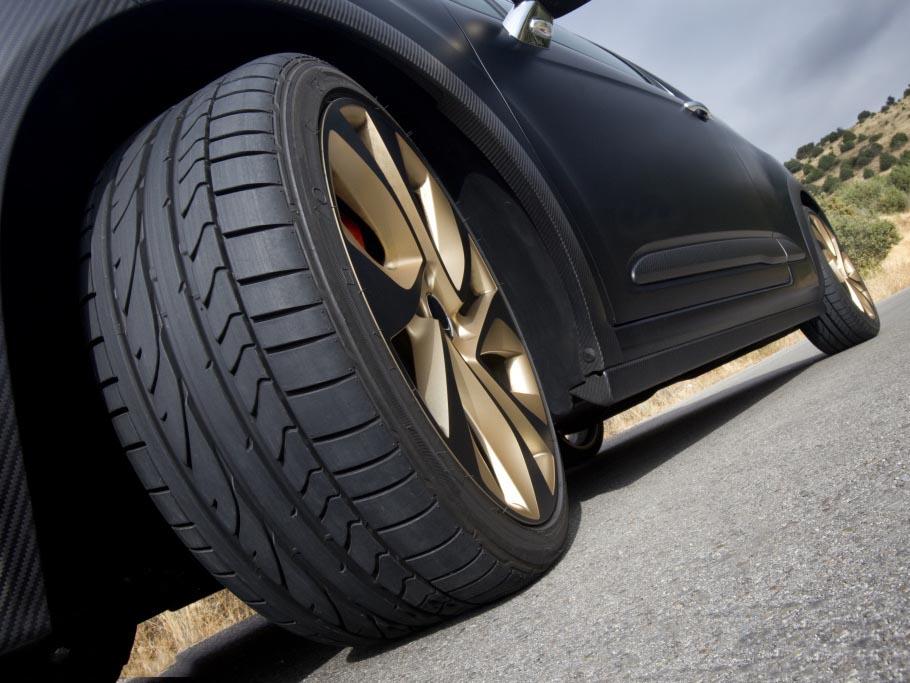
Explanation of Tire Size Specifications What Do These Numbers and Letters Actually Mean

Summer brings intense heat and high temperatures, which pose unique challenges to vehicle tires. The scorching weather easily raises tire pressure, greatly increasing the risk of sudden blowouts. Additionally, high heat softens the tire tread, accelerating tread wear and shortening tire service life significantly. For these reasons, summer is widely regarded as the peak season for tire replacement among vehicle owners. When replacing tires, it is essential for drivers to fully understand tire specification parameters. Mastering these key figures and letters enables car owners to select tires that perfectly match their vehicles, delivering a safer, more comfortable, and smoother driving experience. This article provides an in-depth explanation of the complex combinations of numbers and letters on tire sidewalls, helping all drivers decode critical tire performance information. Most standard tires are marked with a unified specification format, such as the common “235/45 R18 94W”. Each number and letter in this combination carries a specific meaning that defines the tire’s size, performance, and application scope. We break down this typical specification in detail below. The number “235” refers to the tire’s cross-sectional width, measured in millimeters. Specifically, it represents the width of the tire’s contact surface with the road. This dimension directly affects the tire’s road grip and vehicle handling performance. A wider tire generally provides stronger grip, enhancing driving stability during acceleration, cornering, and braking, while a narrower tire helps reduce rolling resistance for better fuel economy. The figure “45” stands for the tire’s aspect ratio, which is the percentage ratio of the sidewall height to the tire tread width. Tires with a higher aspect ratio feature taller sidewalls, offering superior cushioning performance and effectively filtering out road vibrations, thus improving overall riding comfort. However, an excessively high aspect ratio will reduce tire rigidity, slightly compromising high-speed handling and cornering stability. In contrast, low-aspect-ratio tires deliver sharper handling but sacrifice part of the comfort performance. The letter “R” indicates the tire type, representing a radial tire. Radial tires are the mainstream choice for modern passenger vehicles, featuring a scientific internal cord layout. This structural design endows radial tires with excellent structural support, outstanding high-speed stability, and durable wear resistance, fully meeting the daily commuting and high-speed driving needs of most vehicles. The number “18” denotes the diameter of the matching wheel hub, measured in inches. This parameter must strictly conform to the vehicle’s original hub size. Mismatched diameter parameters will prevent the tire from being installed correctly and may cause potential safety hazards during driving. The number “94” is the tire’s load index, which corresponds to the maximum load-bearing capacity of a single tire. The higher the load index value, the greater the weight the tire can withstand. Vehicle owners must select tires with a load index that meets or exceeds the original factory standard to ensure stable load-bearing performance and driving safety, especially when the vehicle is fully loaded. The final letter “W” represents the tire’s speed rating, indicating the maximum safe speed the tire can sustain under standard load conditions. Different speed ratings correspond to distinct speed limits and high-temperature resistance levels. Drivers can choose tires with appropriate speed ratings based on their usual driving habits and road conditions to balance performance and safety. While specification parameters are the core basis for tire selection, vehicle owners also need to comprehensively consider multiple factors such as brand, material, and tread design when replacing tires. These elements jointly determine the tire’s overall performance, wear resistance, noise control, and service life. Choosing a reliable mainstream brand and suitable tire series is crucial to matching personal driving needs and ensuring long-term driving safety. The global tire market features many well-established mainstream brands with distinct performance characteristics, covering diverse needs for daily commuting, sports driving, and all-road adaptation. Michelin, a world-renowned French tire brand, is celebrated for its outstanding comfort and quiet performance. Its tires adopt soft and refined tread formulas, effectively reducing road noise and vibration during driving, making it the preferred choice for family cars and drivers pursuing high riding comfort. Equipped with advanced EverGrip technology, Michelin tires also maintain excellent wet-skid resistance and stable grip even after partial tread wear, delivering lasting safety performance. Bridgestone, a top Japanese tire brand, is famous for its balanced comprehensive performance. Its tire products have no obvious shortcomings in wear resistance, grip, and stability, achieving an optimal balance of durability, comfort, and handling. The classic Turanza series excels in both dry and wet road performance and adapts to mild winter conditions, perfectly suited for daily urban commuting and long-distance highway driving. Its Ecopia series focuses on low rolling resistance, helping reduce vehicle fuel consumption while ensuring basic driving performance. Pirelli, a professional Italian performance tire brand, is widely recognized as a benchmark for sports tires, it is currently the sole tire supplier for Formula 1. With high-rigidity tire structures and high-adhesion tread formulas, Pirelli tires deliver extreme road grip and precise steering response, making them the original equipment for most luxury sports cars and performance vehicles. They perform exceptionally well in high-speed driving and sharp cornering, meeting the performance pursuit of enthusiastic drivers, though they feature relatively higher tire noise and harder driving feel. Continental, a classic German tire brand, relies on mature silent tire technology and excellent braking performance to win market recognition. Its exclusive ContiSilent technology can effectively reduce road noise transmission, significantly improving in-car quietness during high-speed cruising. The brand’s SportContact series leads the ultra-high-performance tire field with outstanding dry and wet braking stability, while the AllSeasonContact series adapts to extreme temperature changes, achieving reliable all-season comprehensive performance. In addition, Dunlop, a time-honored British brand, balances cost performance and practicality, with excellent wear resistance and stable basic performance, suitable for most household economy vehicles. These mainstream brands have their own technical advantages and positioning, allowing car owners to make targeted choices according to their vehicle positioning, driving scenarios, and budget. In conclusion, learning to interpret tire specification parameters is a necessary skill for every car owner when replacing tires. Accurate identification

Explanation of Tire Size Specifications What Do These Numbers and Letters Actually Mean Read More »